
Comparison Guide
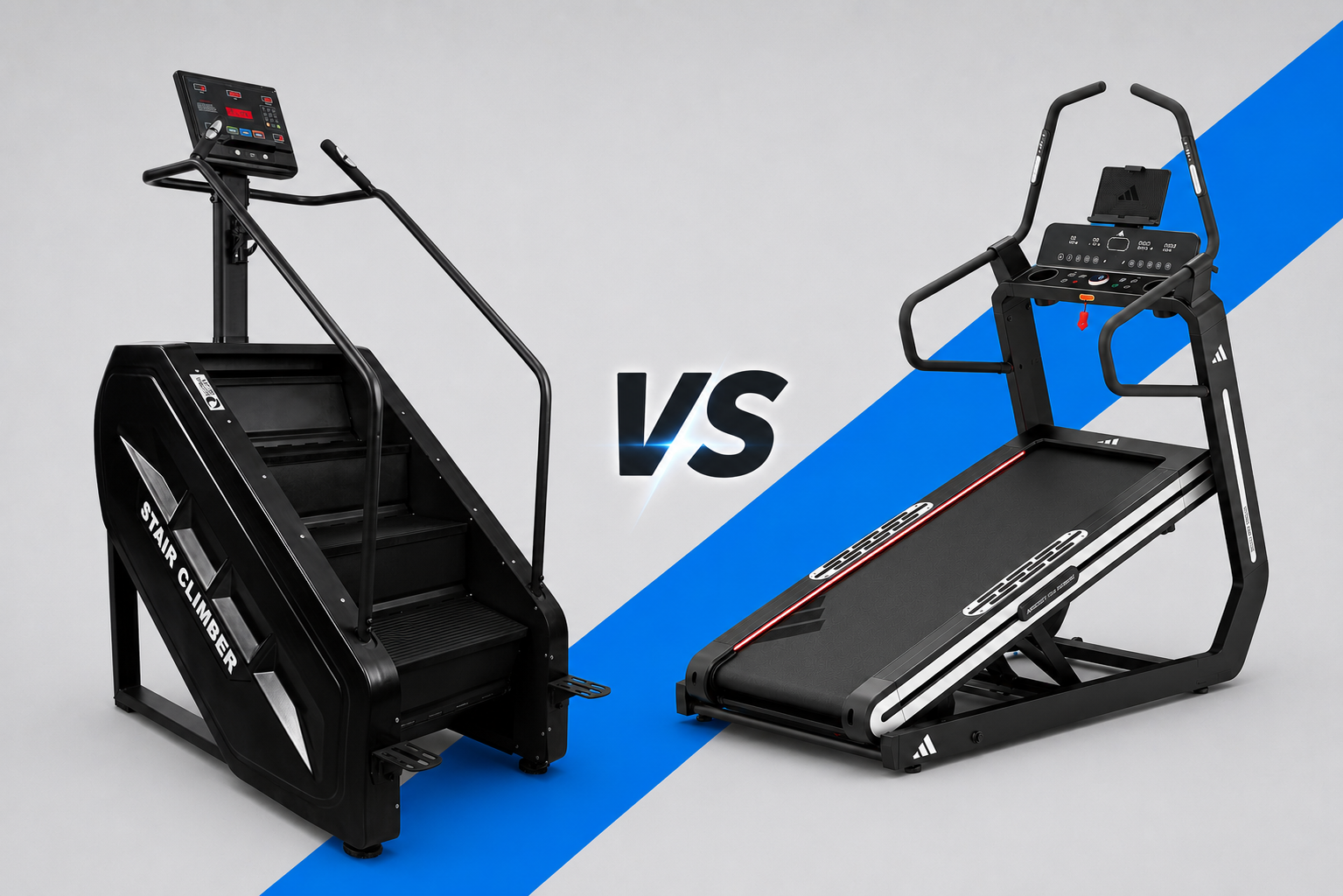
The StairMaster and the treadmill are the two machines people argue about most in the cardio section, and the honest answer is that they do different jobs well. A StairMaster is a dedicated climbing machine that hits your glutes and quads hard with no impact. A treadmill is the more versatile buy, and a good incline treadmill gets you most of the way to a stair workout while still letting you walk, jog and run. Here is how they actually compare, and what to buy if you want stair-style training at home.
StairMaster vs treadmill: the short answer
Choose a StairMaster if climbing is the whole point, you want maximum glute and quad work with no running impact, and you have gym access or serious space and budget at home. Choose an incline treadmill if you want one machine that covers walking, running and hill work, you are training for anything that involves running, or you are buying for a normal-sized home. For most people buying for home use, the incline treadmill is the more sensible purchase, and a machine like the adidas T-800 with its 40% Climb Mode closes most of the gap.
How they differ in practice
| StairMaster | Incline treadmill | |
|---|---|---|
| Movement | Continuous stepping, always climbing | Walking or running, flat through to steep |
| Main muscles | Glutes, quads, calves, hip flexors | Hamstrings and calves flat, glutes and quads on incline |
| Impact on joints | Low, no landing force | Low walking, higher running |
| Versatility | One workout, done well | Walking, jogging, running, hills and intervals |
| Learning curve | Steeper, easy to lean on the rails | Almost none |
| Home footprint | Tall, heavy, needs ceiling height | Wide range, many fold away |
| Home price | Commercial units, typically several thousand pounds | From under £200 to about £2,000 |
| Running training | No, it cannot replicate running | Yes, this is what it is built for |
Which burns more, StairMaster or treadmill?
Usually what people really want to know is which one shifts belly fat faster, so it is worth being straight about it. At the same level of effort, the two are much closer than the internet suggests. A StairMaster tends to feel harder for a given number of minutes because you are lifting your bodyweight vertically without pause, and that generally puts it ahead of flat treadmill walking. Set a treadmill to a steep incline, though, and the gap narrows sharply, because you are doing the same work: moving your bodyweight upwards.
Two things matter more than the machine. First, you cannot target fat loss from one area, so no machine burns belly fat specifically; overall energy balance and consistency do the work. Second, the best machine is the one you will use several times a week for months. A slightly lower burn per session on equipment you enjoy beats a higher burn on something you avoid.
Worth knowing. Leaning on the handrails is the single biggest thing that quietly reduces the workload on both machines. On a StairMaster it is very easy to do without noticing. If you want an honest comparison of effort, keep your hands light on the rails for both.
StairMaster vs incline treadmill: the closer contest
Comparing a StairMaster against a flat treadmill is not really a fair fight, and it is not the comparison most buyers need. The interesting question is how it stacks up against a treadmill set to a steep gradient, because that is when both machines are asking your body to do the same thing.
At a 10 to 15% incline, brisk treadmill walking sits in similar territory to steady stair climbing for effort and muscle recruitment, with the treadmill slightly easier on the hip flexors and the StairMaster slightly better at isolating the glutes. Above 20%, and particularly on a machine that reaches 40% like the adidas T-800 in Climb Mode, the treadmill is genuinely doing a stair-climbing job. The 12-3-30 workout exists precisely because incline walking delivers so much of what people want from the StairMaster.
Where the treadmill keeps a clear advantage is range. You can warm up flat, climb hard, then run intervals on the same machine. A StairMaster does one thing. Where the StairMaster keeps its edge is that the climbing motion is continuous and unavoidable: there is no drifting into an easy pace without noticing.
Can you get a StairMaster at home?
Technically yes, practically rarely. Genuine StairMaster and stair-mill machines are commercial equipment: they are tall, they are heavy, they need real ceiling clearance because you are standing on a rising step, and prices run to several thousand pounds. For the overwhelming majority of home buyers, the sensible route to stair-style training is a treadmill with a steep incline, which costs a fraction as much, folds or fits in a normal room, and does more.
These are the machines we would look at, ordered by how close they get to a stair workout. Every one is covered in a full review on this site.
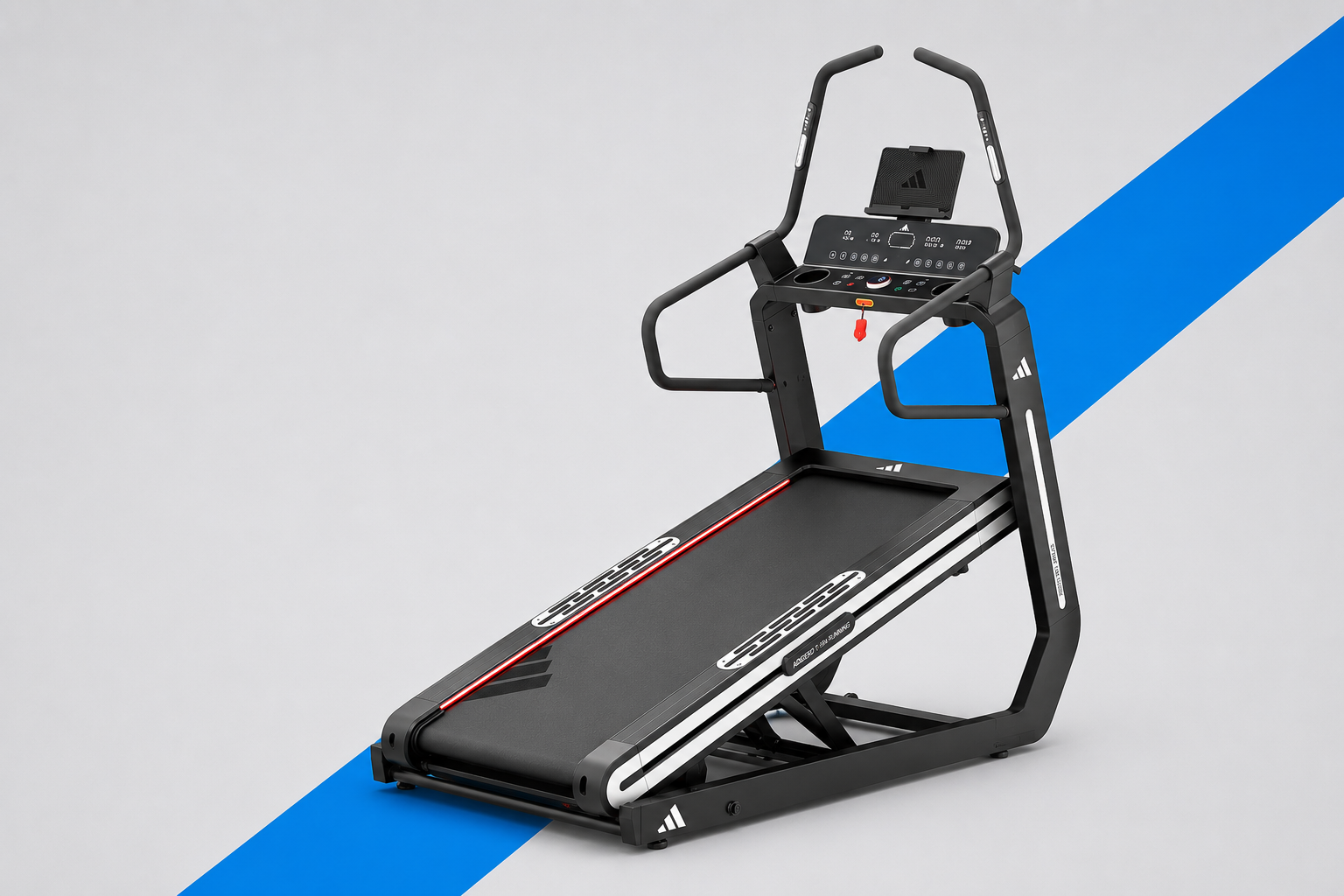
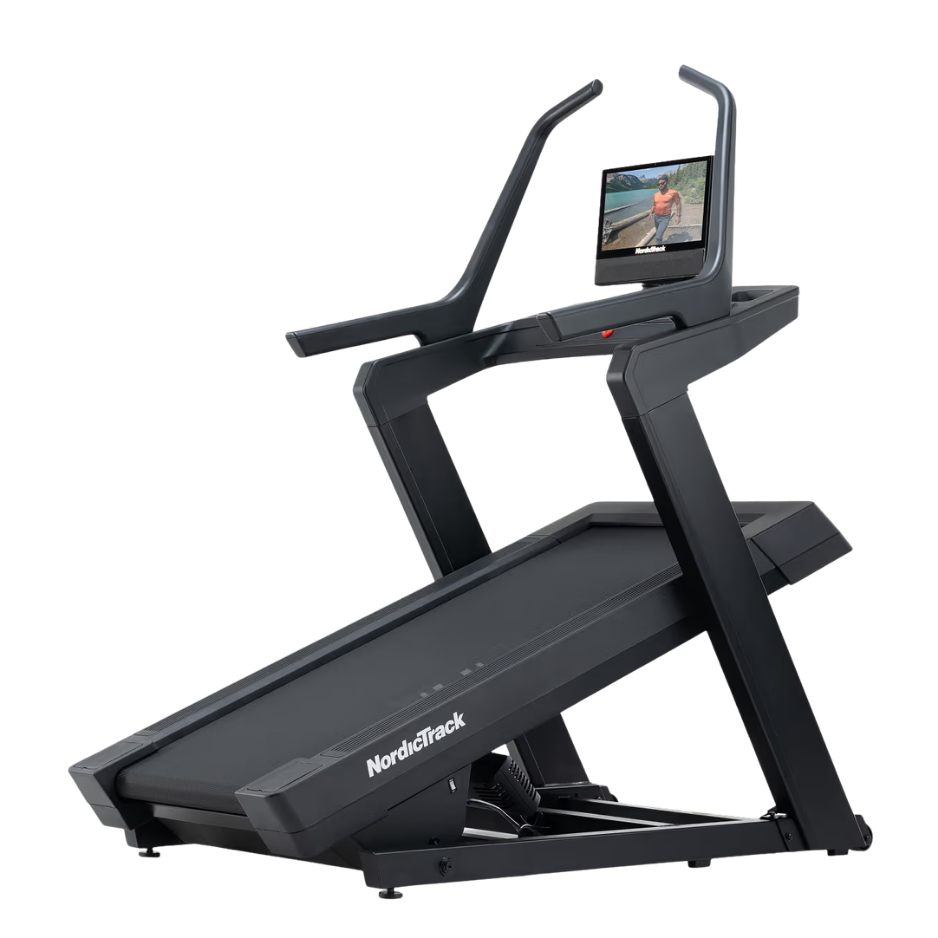
- Max incline 40% Climb Mode
- Speed 13.7 mph
- Deck 152 x 52 cm
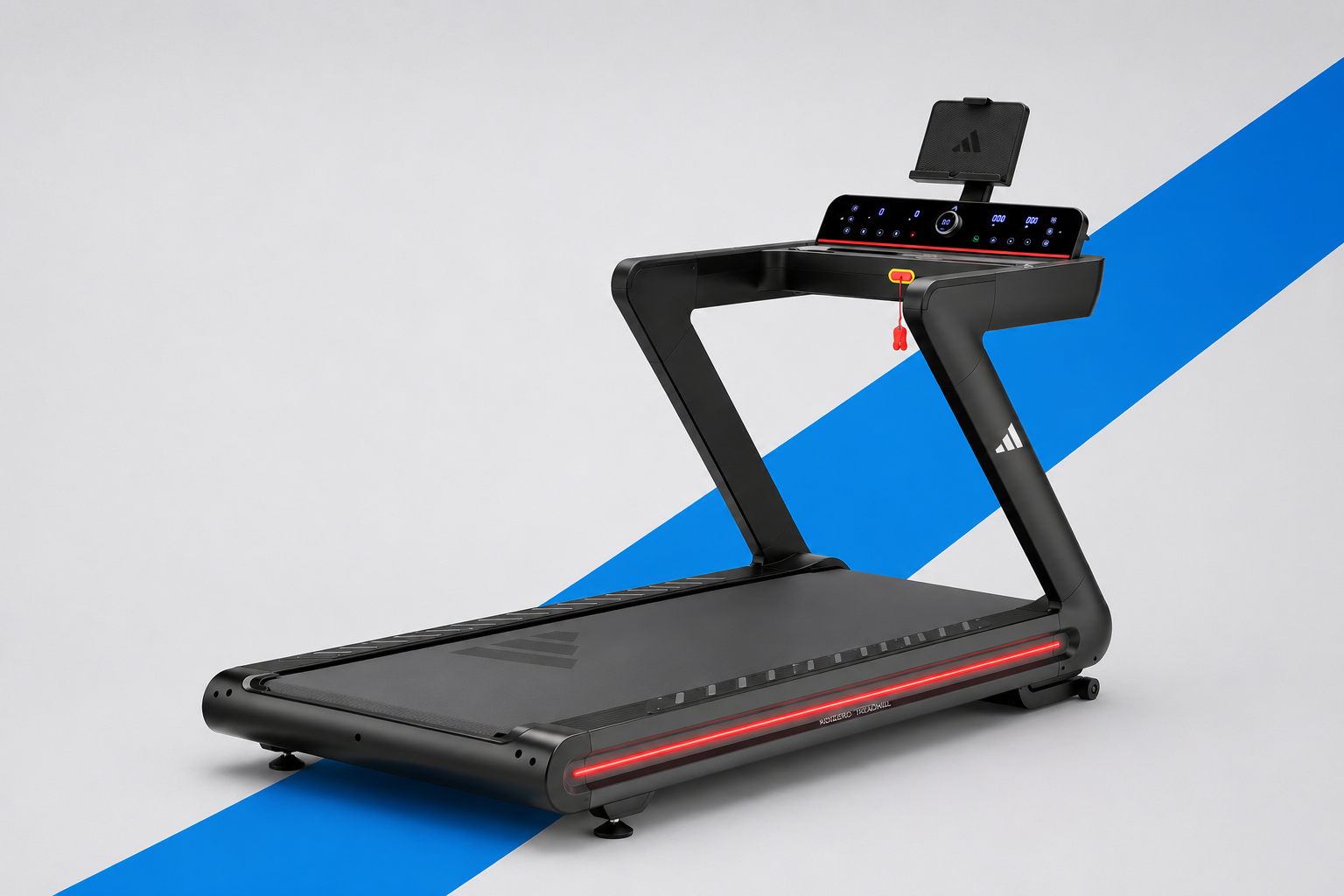
- Max incline -6% to 40%
- Speed 12.5 mph
- Deck 152 x 55 cm
- Max incline 18 levels
- Speed 12.4 mph
- Deck 154 x 55 cm
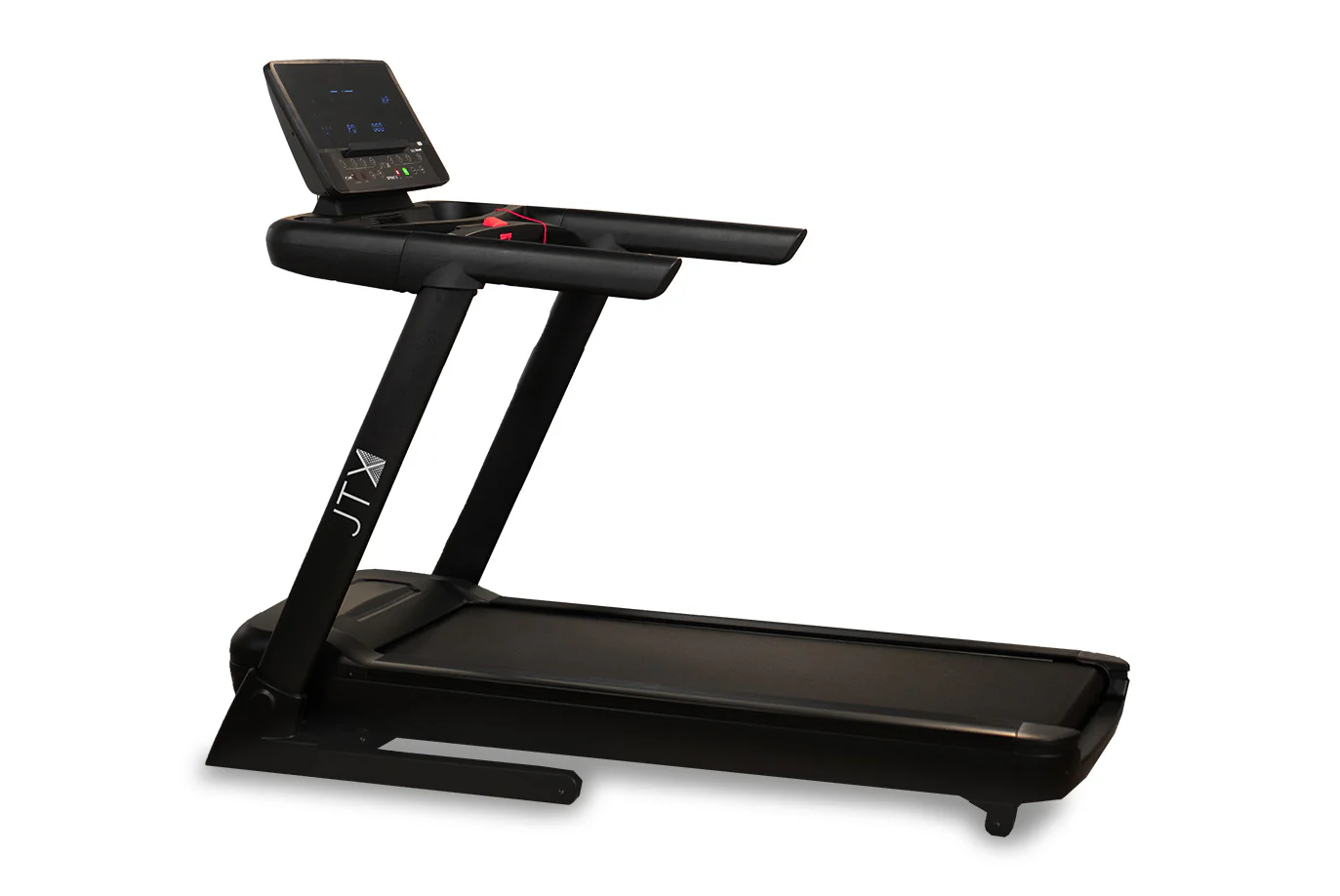
- Max incline 12% power
- Speed 12.4 mph
- Deck 153 x 55 cm
Prices checked regularly and change with sales and codes. We may earn a commission, at no extra cost to you.
adidas T-800: the closest thing to a StairMaster you can buy for home
Nothing else near this price climbs like it. In running mode the T-800 covers a -6% decline to a 20% incline at up to 13.7 mph (22 km/h), which is already steeper than almost anything else. Activate Climb Mode and the deck rises to a 40% gradient at walking speeds of up to 5.6 mph (9 km/h), with six dedicated climbing programmes built around it. That is genuinely mountain-path territory, and it is the only machine in this price bracket doing it.
The honest limits: Climb Mode caps your speed, so it is a climbing tool rather than a hill-sprinting one, and the frame stands 201.5 cm tall, so measure your ceiling before ordering. At £1,799, or £1,619.10 with the EXTRA10 code, it is also the priciest machine here. But against a commercial stair mill it is a fraction of the price and it still runs at 13.7 mph on your flat days. Read our full adidas T-800 review.
- 40% Climb Mode, unmatched at this price
- Six dedicated climbing programmes
- -6% decline for downhill conditioning too
- Still a fast treadmill at 13.7 mph
- Priciest option here
- Climb Mode caps speed at 5.6 mph
- 201.5 cm tall, check ceiling clearance
- Does not fold
NordicTrack X16: the purpose-built alternative
The T-800 is a treadmill that climbs unusually steeply. The NordicTrack X16 is the other way round: an incline trainer first, built from the ground up for climbing, with a -6% to 40% range and a 4.25 CHP motor driving the incline mechanism. NordicTrack designed its incline trainers around iFIT’s hiking content, so the machine adjusts its gradient automatically to match real mountain routes filmed on trails, which is about as close to genuine hill training as an indoor machine gets.
What you pay for that is price and permanence. At £2,999 it is well above the T-800, it does not fold, the footprint is roughly 200 x 100 cm, and you want around 250 cm of ceiling height to use the full gradient comfortably. It also tops out at 12.5 mph, so it is not the machine to buy if you mainly want to run fast. But if climbing is genuinely the point and the budget is there, it is the most complete answer on this page. Read our full NordicTrack X16 review.
If you want hills as part of running, not instead of it
Not everyone wants a dedicated climbing machine. The adidas T-700 offers 18 incline levels on a 154 x 55 cm deck, the largest in its range, and covers everything from hill walking to fast running at 12.4 mph for £1,199, or £1,079.10 with the EXTRA10 code. It is the better buy if your training is mostly running with hills as one part of it.
The JTX Sprint 8 Pro takes the same view from a different angle. Its 12% incline is standard territory rather than stair-climbing, so be clear that it is not competing with the 40% machines above on gradient. What it offers instead is a 22.5in screen, a strong brushless motor, and JTX’s 3-year in-home repair warranty with UK-based engineers, which is the best aftercare package on this page. For a runner who wants a weekly hill session rather than a climbing habit, that trade is often the right one.
Be honest with yourself about gradient. If replicating a StairMaster is genuinely the goal, only the T-800 and the X16 reach the 40% that makes incline walking feel like stair climbing. Machines in the 12 to 18% range are excellent hill trainers, but they are a different workout. Our best treadmills with incline guide covers that wider field, and the incline walking pads guide covers the compact end.
Which should you choose?
| If this is you | Choose |
|---|---|
| You want maximum glute and quad work with no impact, and you have gym access | StairMaster |
| You are training for a race, a 10K or anything involving running | Incline treadmill |
| You want stair-style climbing at home without paying commercial money | adidas T-800, 40% Climb Mode |
| You want a purpose-built incline trainer and budget is not the constraint | NordicTrack X16 at £2,999 |
| You run regularly and want serious hills as part of that | adidas T-700, 18 incline levels |
| Running comes first and you want the best UK aftercare | JTX Sprint 8 Pro, 3-year in-home warranty |
| You have knee or hip issues | Speak to a physio first, then favour incline walking |
Common questions
Is the StairMaster better than the treadmill?
Neither is better overall, they are built for different jobs. The StairMaster is better at concentrated, low-impact climbing that targets the glutes and quads. The treadmill is better for versatility, running training and hill work you can dial up or down, and it is far more practical to own at home. For most home buyers, an incline treadmill is the more useful machine.
StairMaster or treadmill for belly fat?
Neither burns fat from a specific area, because spot reduction is not how the body works. Both support fat loss as part of an overall energy deficit. At matched effort the StairMaster often feels harder than flat treadmill walking, but a treadmill set to a steep incline closes most of that gap. Pick whichever you will use consistently, because frequency matters more than the machine.
Is incline walking as good as the StairMaster?
Close, and on a steep enough machine effectively equivalent. At 10 to 15% you are in similar territory for effort and muscle recruitment. On a machine that reaches 40%, such as the adidas T-800 in Climb Mode, incline walking is doing the same job as stair climbing. The treadmill also lets you warm up flat and run afterwards, which the StairMaster cannot.
Can you get a StairMaster for home use?
You can, but genuine stair mills are commercial machines: tall, heavy, needing ceiling clearance, and typically costing several thousand pounds. For nearly all home buyers a treadmill with a steep incline is the practical answer, costing far less, fitting a normal room and doing more than one job. The adidas T-800 at 40% is the closest home machine to the experience.
What is the highest incline treadmill you can buy in the UK?
Two machines reach 40%. The adidas T-800 hits it in Climb Mode, alongside a -6% to 20% range in normal running mode, and the NordicTrack X16 covers -6% to 40% as a purpose-built incline trainer. Most home treadmills stop between 10% and 15%, so a 40% machine sits in a category of its own. See our best treadmills with incline guide for the full range.
Is a stair climber the same as a StairMaster?
In a gym context, broadly yes: StairMaster is a brand name that became shorthand for stair-climbing machines. Be careful searching for one in the UK, though, as “stair climber” also refers to mobility equipment for moving people or heavy loads up stairs, which is a completely different product.
Is the StairMaster bad for your knees?
For most people it is low impact, because there is no landing force as there is in running. Some people do find the repeated deep knee bend uncomfortable, particularly with existing knee or hip issues, where incline walking is often gentler. If you have any joint concerns, it is worth speaking to a physiotherapist before committing to either machine.
HomeTreadmill is reader-supported. When you buy through links on our site we may earn an affiliate commission, at no extra cost to you. This guide is general information rather than medical or training advice; if you have joint problems or a health condition, speak to a qualified professional before starting a new form of exercise. Prices and specifications are checked regularly but can change, so confirm the details with the retailer before purchase.