
Comparison Guide
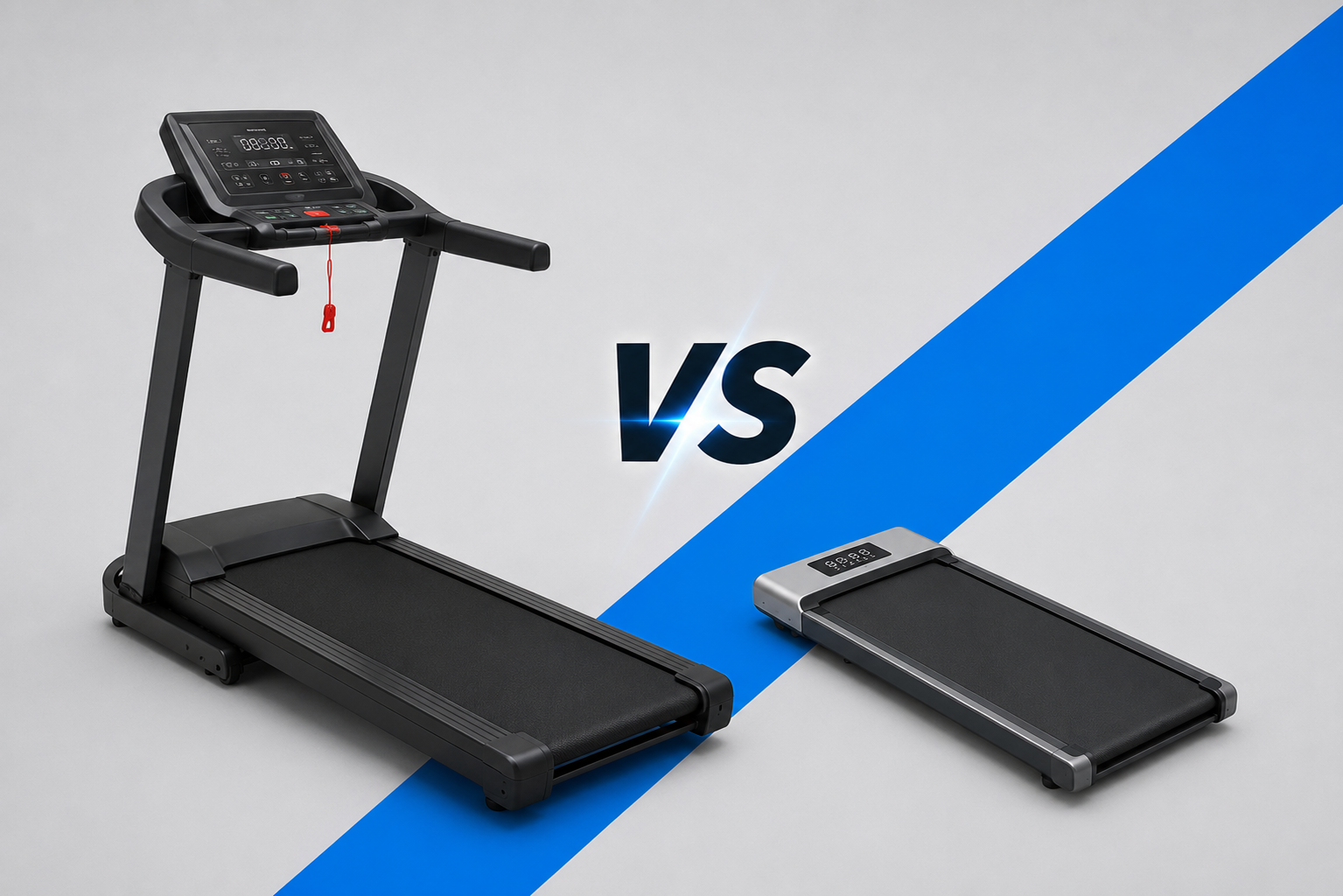
A walking pad is a slim, handlebar-free deck built to slide under a desk and keep you moving while you work. A treadmill is a full machine with handrails, a bigger motor and the speed to run on. They look like versions of the same thing, but they solve different problems, and buying the wrong one is an expensive way to find that out. Here is how to tell which you actually need.
The short version. Buy a walking pad if your goal is steps and movement through the working day, you have limited space, and you have no intention of running. Buy a treadmill if you want to jog or run, train for anything, or need a machine that will still suit you when you are fitter. If you genuinely want both, hybrids exist and they are better than they used to be.
What each machine actually is
A walking pad is a low, flat deck with a motor built for walking speeds, usually topping out between 3.7 and 5 mph. There are no handrails, which is the whole point: it slides under a standing desk and stores flat under a sofa or bed. Most weigh between 15 and 30 kg.
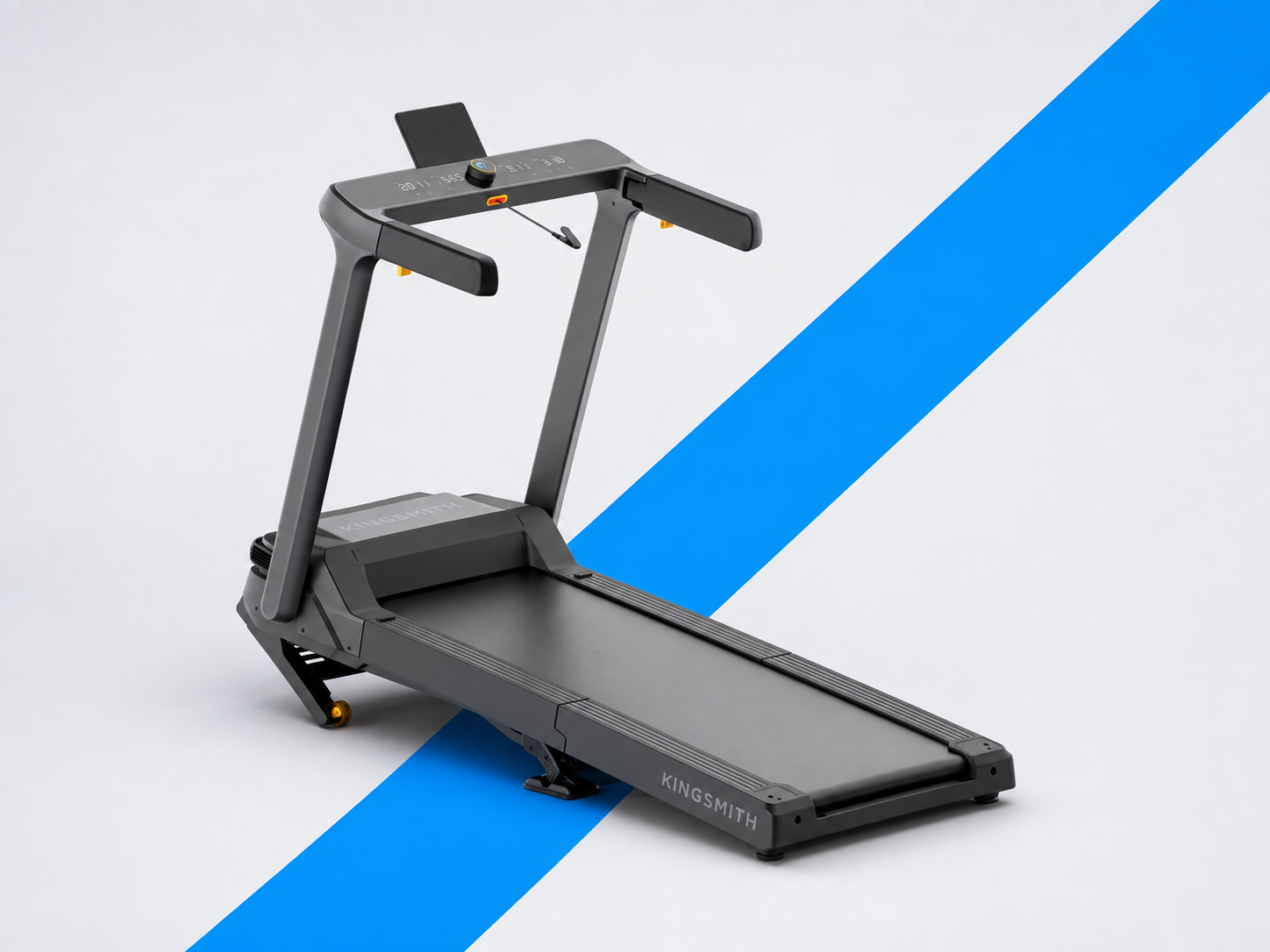
A treadmill has handrails, a longer and wider deck, a stronger motor and a top speed high enough to run at, typically 9 to 13 mph. Folding models tip upright for storage but still occupy real floor space, and most weigh 40 kg or more.
The gap between them has narrowed. Some walking pads now offer powered incline, and some treadmills fold flatter than they used to, which is why the decision is less obvious than it once was.
Walking pad vs treadmill: the head-to-head
| Walking pad | Treadmill | |
|---|---|---|
| Top speed | 3.7 to 5 mph, walking only | 9 to 13 mph, walking to running |
| Handrails | None | Yes |
| Deck size | Roughly 100 to 120 cm long | Roughly 120 to 155 cm long |
| Weight | 15 to 30 kg | 40 to 130 kg |
| Storage | Under a bed or sofa, or upright | Folds upright, still a presence in the room |
| Use at a desk | Yes, this is what it is for | Rarely practical |
| Incline | Some models, up to about 14% | Common, 10 to 40% depending on model |
| Typical price | £99 to £600 | £300 to £2,000 and beyond |
| Suits running training | No | Yes |
The three questions that actually decide it
Will you ever want to run? This is the one that matters most, and the answer people give at the point of purchase is often wrong. If there is a reasonable chance you will want to jog in six months, a walking pad becomes a machine you have outgrown. Treadmills rarely get outgrown in the other direction.
Where will it live? A walking pad genuinely disappears. A folding treadmill folds, but it still stands in a corner and it still weighs enough that moving it between rooms is a job rather than a thought. If the machine has to vanish completely between uses, that points one way.
Are you buying movement or exercise? A walking pad is a tool for accumulating steps you would not otherwise take, and it is excellent at that. A treadmill is a tool for deliberate training sessions. Both are worth owning; they are just not the same purchase.
Which is better for weight loss?
Neither wins outright, because the machine matters far less than how often you use it. A walking pad has a real advantage here that gets overlooked: it removes the decision. Walking while you answer emails accumulates hours a week that you would never have scheduled as workouts, and consistency beats intensity over months.
A treadmill wins on intensity per session. Running, or walking on a steep gradient, does more work in less time, and the ability to increase difficulty as you get fitter means the machine keeps pace with you. Incline is the great leveller: a walking pad with a 12% gradient closes much of the gap, which is why that feature is worth paying for. Our incline walking pads guide covers the models that offer it.
Honest pros and cons
- Genuine under-desk use while working
- Storing flat, out of sight
- Lower price and lower running noise
- Easy for one person to move
- Accumulating steps without scheduling exercise
- Running and proper training
- Bigger deck for taller users and longer strides
- Stronger motors built for sustained use
- Steeper incline for hill work
- Room to progress as fitness improves
What about a mini stepper?
Steppers come up constantly as the third option, usually because they are cheap and take up almost no room. They are worth understanding rather than dismissing. A mini stepper gives you a low-impact, seated-height movement that works the glutes and quads hard for very little money and almost no storage footprint.
What it cannot do is replace walking. The range of motion is short, most people find them uncomfortable for more than about twenty minutes, and you cannot use one while typing, which removes the single biggest advantage a walking pad has. If your goal is steps and all-day movement, a pad is the better buy. If your goal is a cheap, compact cardio burst in a very small flat, a stepper is a reasonable shout, but treat it as a supplement rather than the main machine.
You can have both: the hybrids
The genuinely useful development in this category is the machine that does both jobs. The WellFit TM032 is the clearest example and the one we have used ourselves. Its handrails drop flat so it works as a walking pad at desk height, then raise, adjusting across five heights, for a full treadmill with a powered 10% auto incline and an 8.7 mph top speed. It folds upright to 17 cm and costs £299.99, or £284.99 with our HOMETREADMILL code.
The WalkingPad R2 takes a similar approach with a fold-down handrail and a 7.5 mph top speed, though at £629 it costs considerably more and offers no incline. Hybrids ask you to accept a deck that is smaller than a proper treadmill and a machine that is bulkier than a slim pad, but if you cannot decide between the two categories, that compromise is usually better than owning the wrong one.
The machines we would buy
Each of these is covered in a full review on this site. The hybrid leads because it answers the question the page asks, but the honest recommendation depends on which of the three questions above landed hardest.
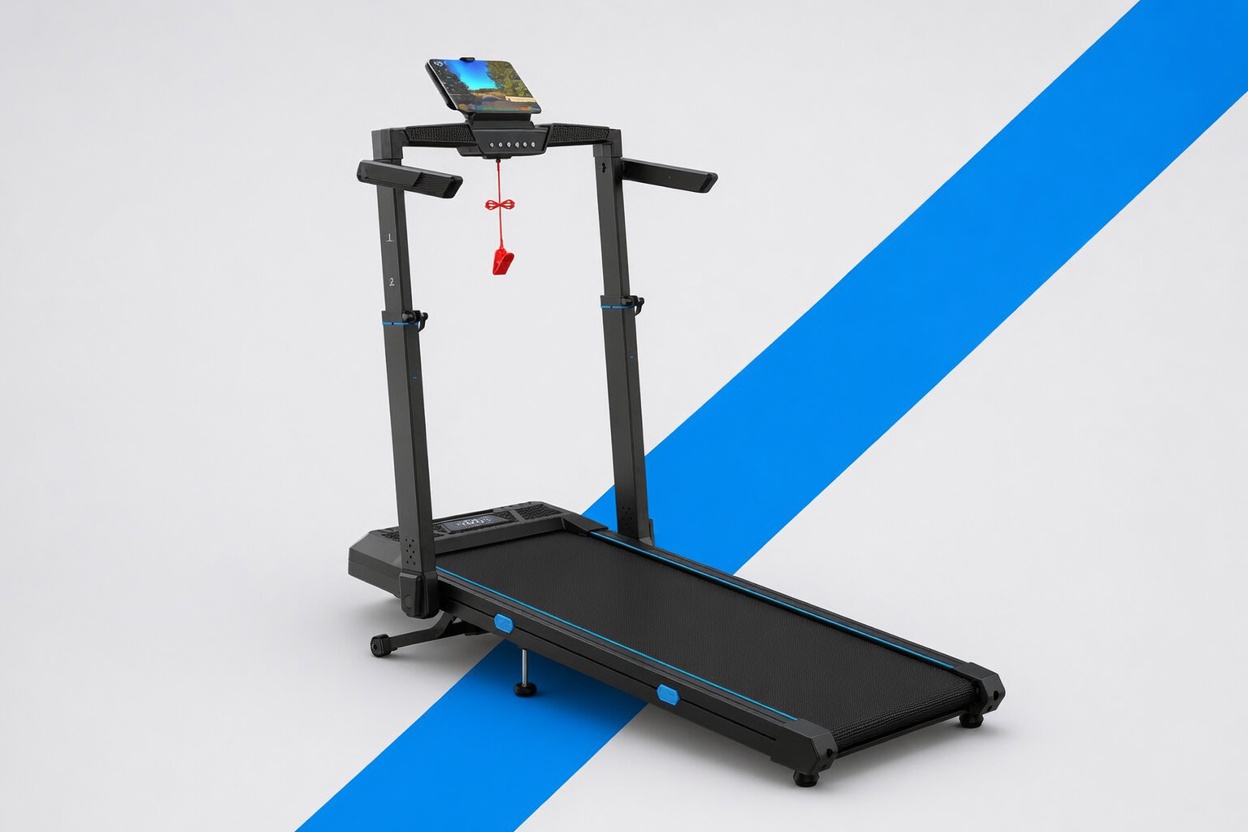
- Type Hybrid
- Speed 8.7 mph
- Incline 10% auto
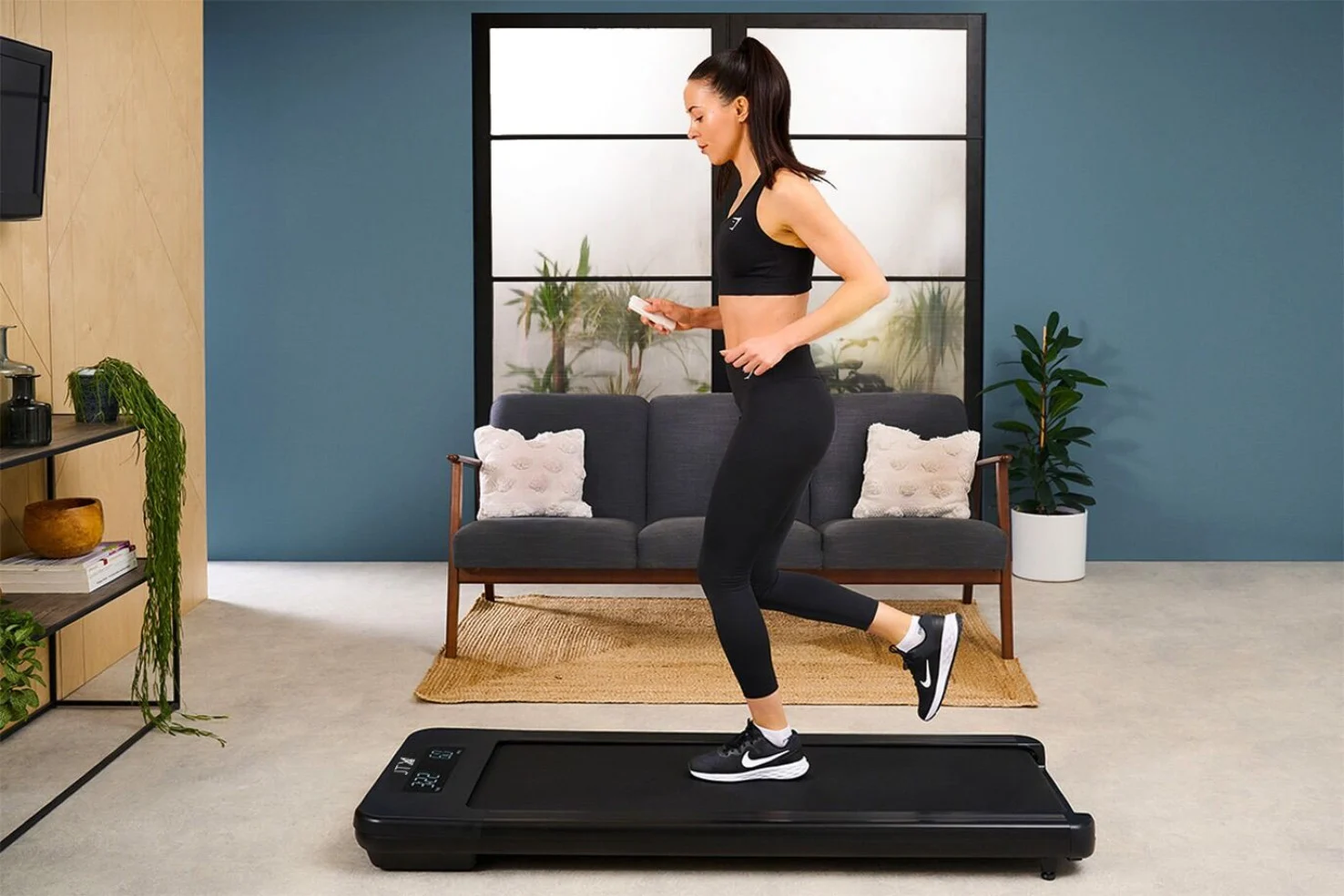
- Type Walking pad
- Speed 4.3 mph
- Incline None

- Type Walking pad
- Speed 3.7 mph
- Incline 12% auto
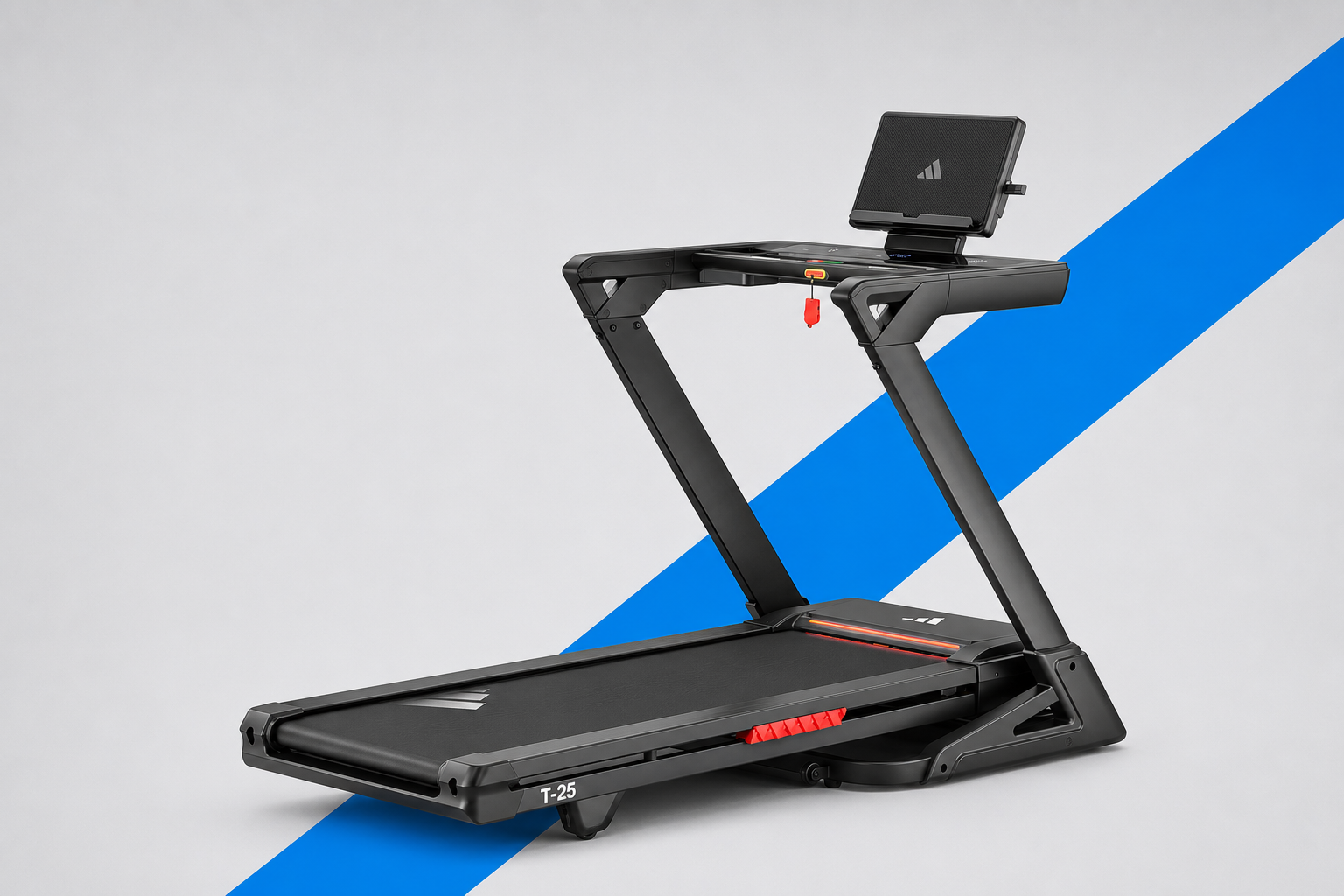
- Type Treadmill
- Speed 11.8 mph
- Incline 15 levels
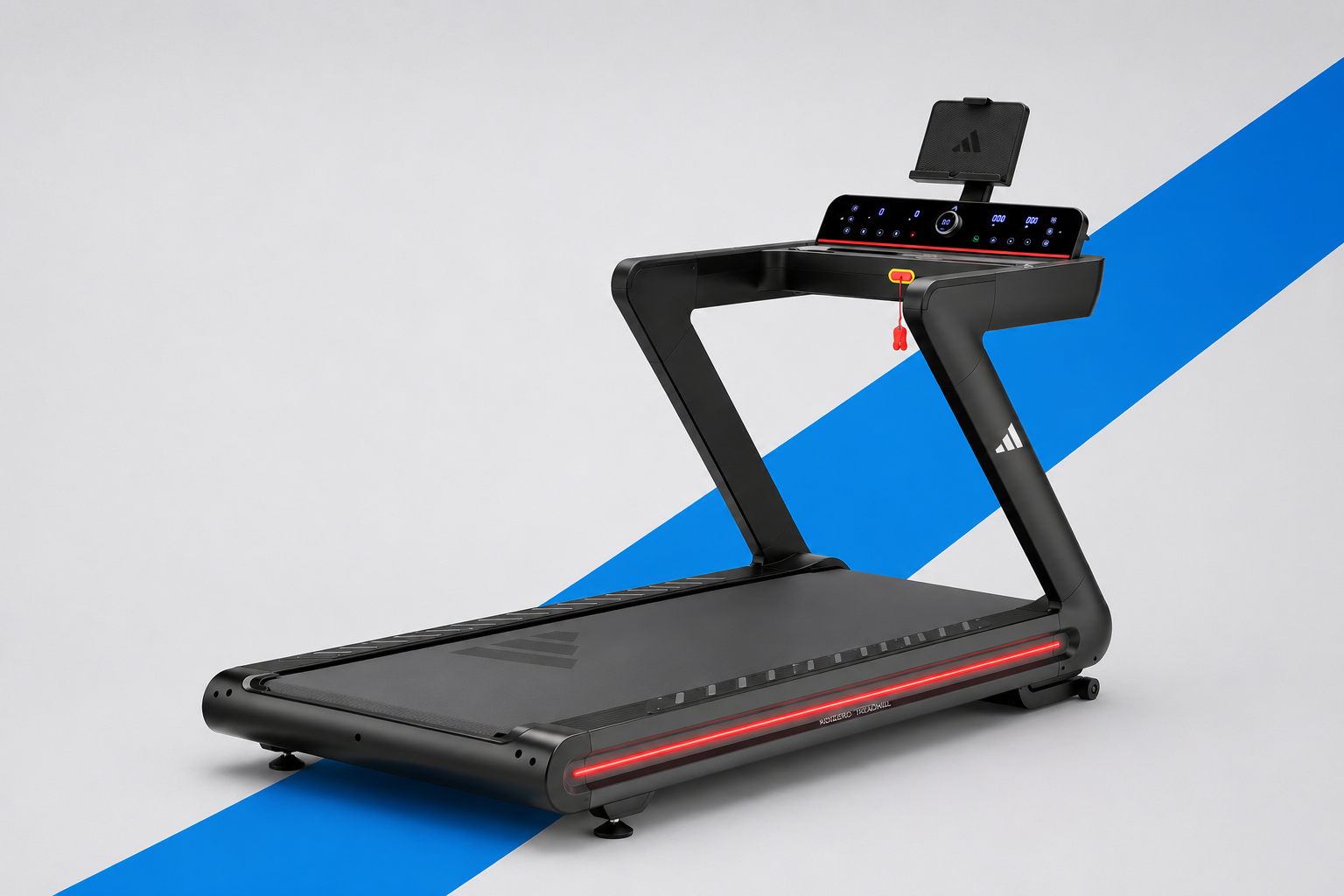
- Type Treadmill
- Speed 12.4 mph
- Incline 18 levels
Prices checked regularly and change with sales and codes. We may earn a commission, at no extra cost to you.
Which should you buy?
| If this is you | Buy |
|---|---|
| You want steps while you work and will never run | Walking pad, and the JTX MoveLight is the pick |
| You want incline walking at the lowest sensible price | DeerRun Z10 at £199 |
| You cannot decide, or two people want different things | WellFit TM032 hybrid at £299.99 |
| You want to jog and run but space is tight | adidas T-25 folding treadmill |
| You run properly and the machine can stay put | adidas T-700 |
| You have a very small flat and a very small budget | A mini stepper, understanding its limits |
Common questions
Is a walking pad the same as a treadmill?
No. A walking pad is a compact, handlebar-free deck built for walking speeds, designed to slide under a desk and store flat. A treadmill has handrails, a larger deck and a motor built for running. Walking pads are sometimes called under-desk treadmills, which adds to the confusion, but the speed ceiling and the missing handrails are the real difference.
Can you run on a walking pad?
Generally no. Most cap between 3.7 and 5 mph, which covers walking and at most a very light jog, and without handrails there is nothing to grab if you stumble. A few hybrids with fold-up handrails reach 7.5 to 8.7 mph and can handle running, but a standard flat pad is not built for it.
Which is better for weight loss, a walking pad or a treadmill?
Whichever you use more often. A treadmill burns more per session because you can run or climb steeper gradients. A walking pad often wins over a month because it turns working hours into walking hours without needing a scheduled workout. If you want the best of both, a pad with 12% incline narrows the per-session gap considerably.
Is a walking pad worth it if I already have a treadmill?
It can be, and for a specific reason: they get used at different times. A treadmill gets used when you decide to exercise, a walking pad gets used while you work. If your treadmill sits unused on busy days, a pad fills exactly that gap. If your treadmill already gets daily use, a second machine is harder to justify.
Is a walking pad better than walking outside?
Outside is free, better for you mentally and gives you fresh air and varied terrain, so it wins where practical. A walking pad wins on the days when outside does not happen: bad weather, dark evenings, small children asleep upstairs, or a workday with no gap in it. Most owners use it as insurance against missed walks rather than a replacement for them.
Do walking pads work on carpet?
They do, though a hard floor is better. On carpet, put a mat or board underneath to improve stability, protect the belt and motor from fibres, and help with heat. The same advice applies to a treadmill, with the added benefit of reducing vibration through the floor if you are upstairs or in a flat.
HomeTreadmill is reader-supported. When you buy through links on our site we may earn an affiliate commission, at no extra cost to you. WellFit supplied the TM032 unit for our hands-on review; this did not affect our assessment or its RunRank score. Prices and specifications are checked regularly but can change, so confirm the details with the retailer before purchase.