
 sponsored
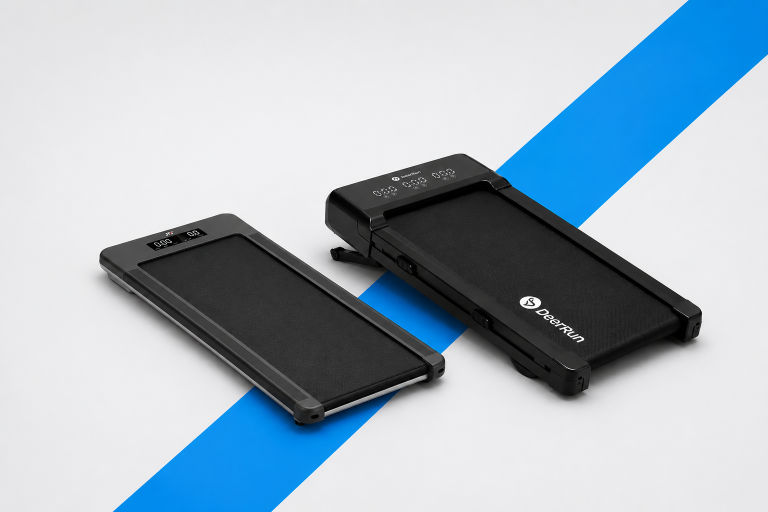
Walk while working
Best walking pads
A low-profile pad can fit under a standing desk. Compare belt width, controls and how easily it moves when you finish.
Read guide
HomeTreadmill buying advice
Find a treadmill or walking pad that fits your home, budget and the way you train. Start with what you’ll use it for, then compare the details that make a difference once it’s in your house.
Find the right guideLast updated:
Choose your starting point
Think about a normal week. How fast will you go, where will the machine live, and will you need to move it every time?
Walk while working
A low-profile pad can fit under a standing desk. Compare belt width, controls and how easily it moves when you finish.
Read guide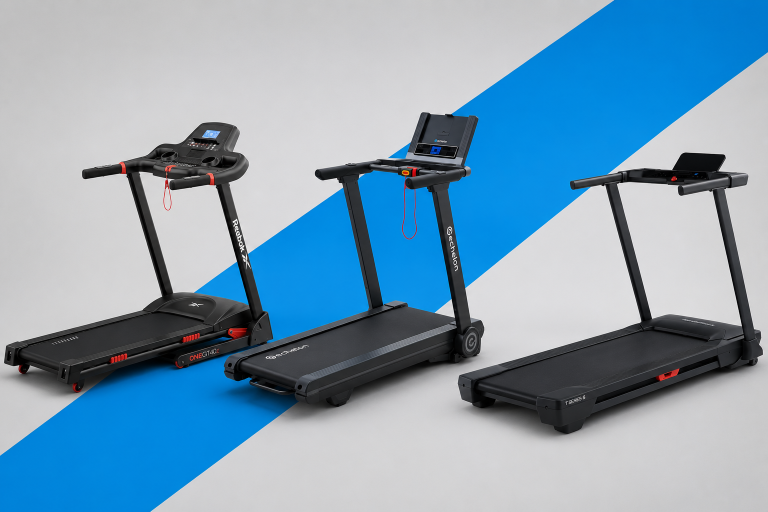
Run at home
For regular running, start with the pace and stride you’ll actually use. Look for room to run, a stable frame and suitable warranty cover.
Read guide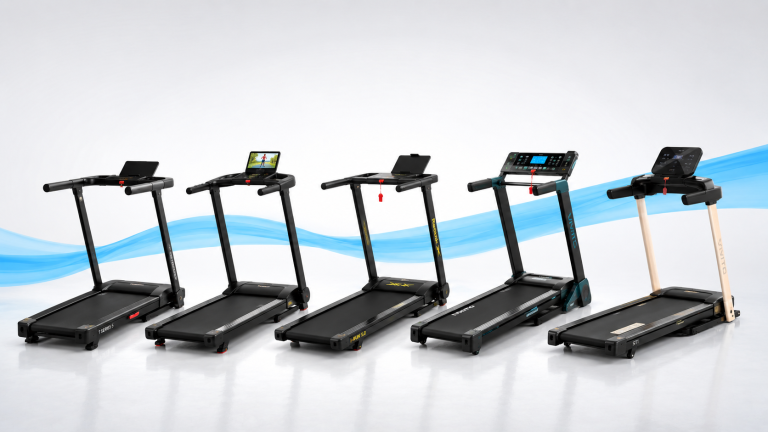
Pack it away
Check where the machine will go between sessions. A deck that folds upright takes up floor space, and a flat-folding model may still be heavy to move.
Read guideStill deciding? Compare a walking pad with a treadmill before setting your budget.
Shop by budget
Set aside money for delivery and assembly first. Then decide what you’d rather pay for: running space, powered incline, easier storage or a better warranty.
Lowest spend
Start here if low upfront cost matters most. Work out which compromises you can live with before choosing a machine.
Read guideUnder £500
Compare options for walking, jogging and entry-level running. Look at usable belt size before choosing by top speed.
Read guideUnder £1,000
Compare machines for more frequent training and see which upgrades are worth paying for.
Read guideSpreading the cost? Compare treadmill finance options and check the full amount you’ll repay.
Shop by space
Check dimensions in use and in storage. The smallest machine on paper isn’t always the easiest to live with.
Compare models for spare rooms and shared spaces where floor area matters even while you’re training.
Read guideSee which machines fold flat and which lift the deck upright. Check what you’ll need to move and where it will go.
Read guideCompare walking-focused machines with handrails if you want more support than a flat under-desk pad offers.
Read guideShop by use
An incline walk and a fast interval session make different demands. Work backwards from the sessions you plan to do.
Compare gradient and controls for hill sessions and uphill walking. Check whether you can adjust the slope while moving.
Read guideCompare compact options for uphill walking, including models where you set the incline before starting.
Read guideFor frequent use or multiple runners, compare construction, intended use and warranty cover before paying for a heavier machine.
Read guideRead before you buy
Retailer spec sheets are useful once you know which numbers matter. Use this table to compare two machines on the same terms.
| Feature | What to look for | Easy to miss |
|---|---|---|
| Running belt | Usable belt length and width, not the overall machine size. A longer stride or faster pace usually needs more room. | A large frame doesn’t guarantee a large running surface. |
| Speed and motor | Check whether it can sustain your intended pace and session length. Compare continuous motor ratings where manufacturers report them on the same basis. | Peak horsepower alone tells you little about longer sessions. |
| Incline and decline | Check the actual gradient in percent and whether you can change it without stepping off. | Incline levels aren’t percentages. |
| Folding and transport | Compare dimensions in use and when stored, machine weight, wheel position and how the deck lifts. | Some decks lift upright; others fold flat. They solve different storage problems. |
| User weight and noise | Check the stated user weight limit, then consider footfall and vibration at your usual pace. | A quiet motor doesn’t eliminate noise through the floor. |
| Controls and subscriptions | Check what the console can do without an app or paid membership. For running, look for accessible controls and a safety key. | A built-in screen doesn’t mean the workouts you want are included. |
After you buy
Keep the manual handy for assembly and maintenance. If a belt starts drifting or slipping, check the maker’s instructions before adjusting anything.
Learn when to check alignment, tension and lubrication, and where to find your machine’s own instructions.
Read guideProtect the floor and choose a mat big enough for the machine, its feet and how you move it.
Read guideFind practical routines for running, walking and incline workouts once you’re set up.
Read guideCommon questions
A few questions worth settling before you narrow down the shortlist.
Only if the manufacturer explicitly supports running at your intended pace. A compact belt and limited support can work for desk walking but be unsuitable for running. See our guide to running on a walking pad.
Choose for the hardest session you expect to do regularly. A pad is easier to store for desk walking; a full treadmill is usually the better starting point for faster running. Compare walking pads and treadmills.
It depends on where it will go between sessions. A deck that folds upright can work against a wall. For under a bed or sofa, measure the height and length of the folded machine, including its feet and wheels.
Motor noise is only part of it. Footfall, floor construction and pace all matter. A suitable treadmill mat can protect the floor and reduce some vibration, but it won’t make upstairs running silent.
Start with the fastest pace and steepest gradient you actually plan to train at. Our speed and pace calculator converts a target pace into a belt speed. For hills, compare actual gradient and how it adjusts.
Already comparing manufacturers? Browse the UK treadmill brand guides.