
Brand hub
WalkingPad is the brand that invented the foldable walking pad, and its parent company Kingsmith holds the patent every competitor imitates. The UK range now spans thirteen machines, from £319 walking pads to a £1,099 foldable running treadmill, behind some of the most confusing model names in home fitness. This guide makes sense of all of it, with every model compared, scored and matched to the buyer it suits.
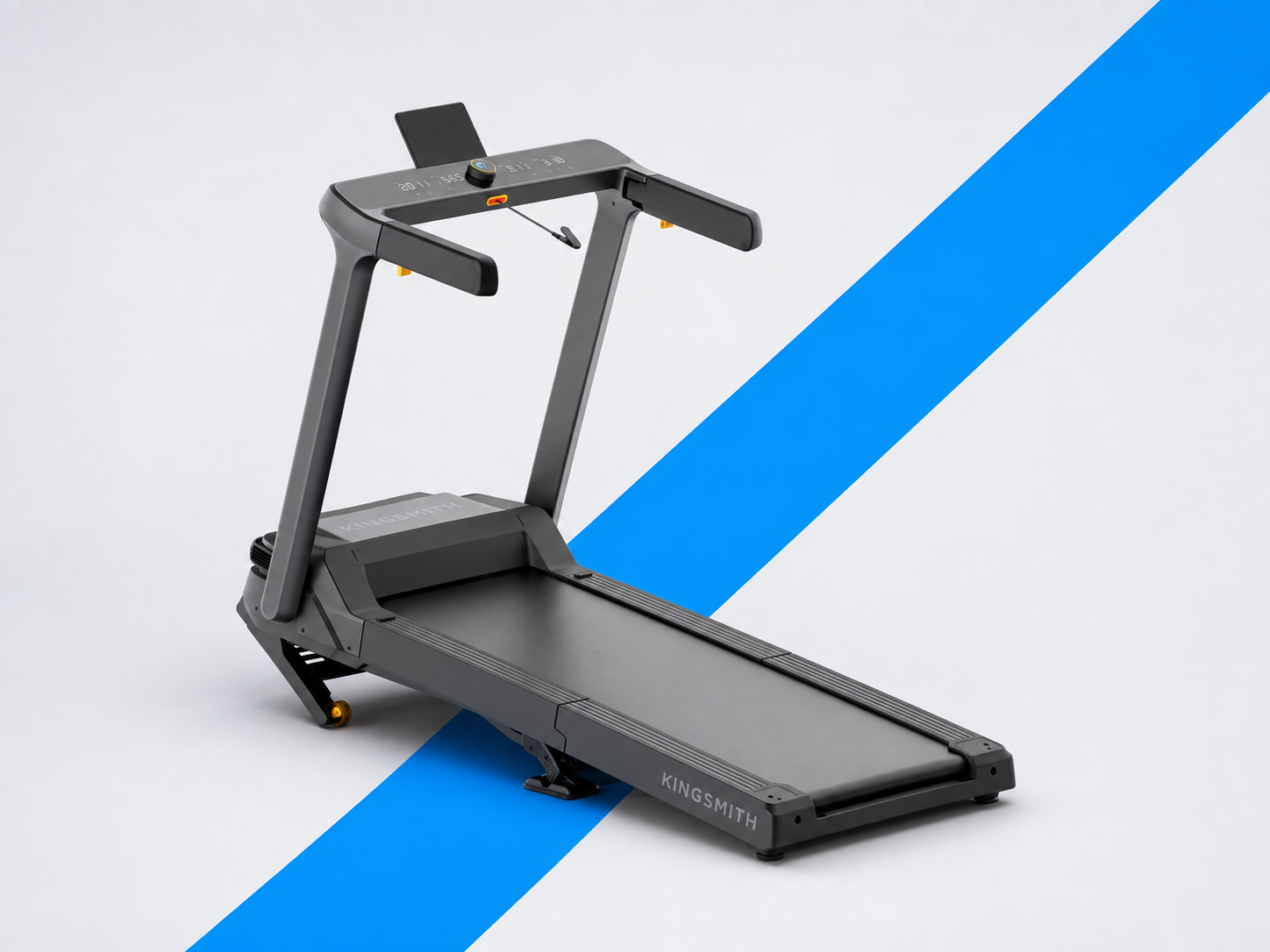
- Incline 18% auto
- Speed 10 mph
- Fold In half
 + Clearpay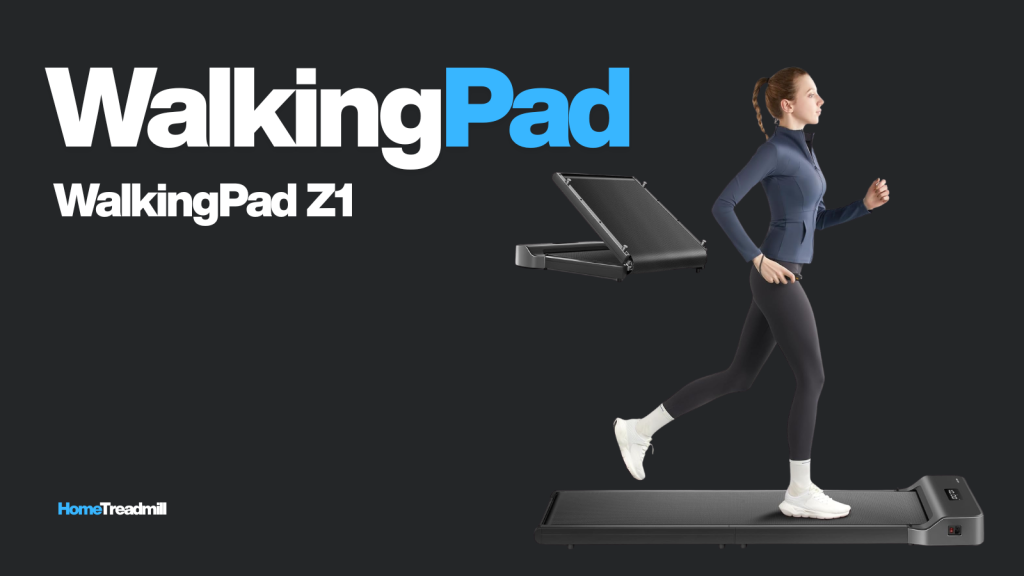
- Speed 3.7 mph
- FootSense Yes
- Max user 110 kg
+ Clearpay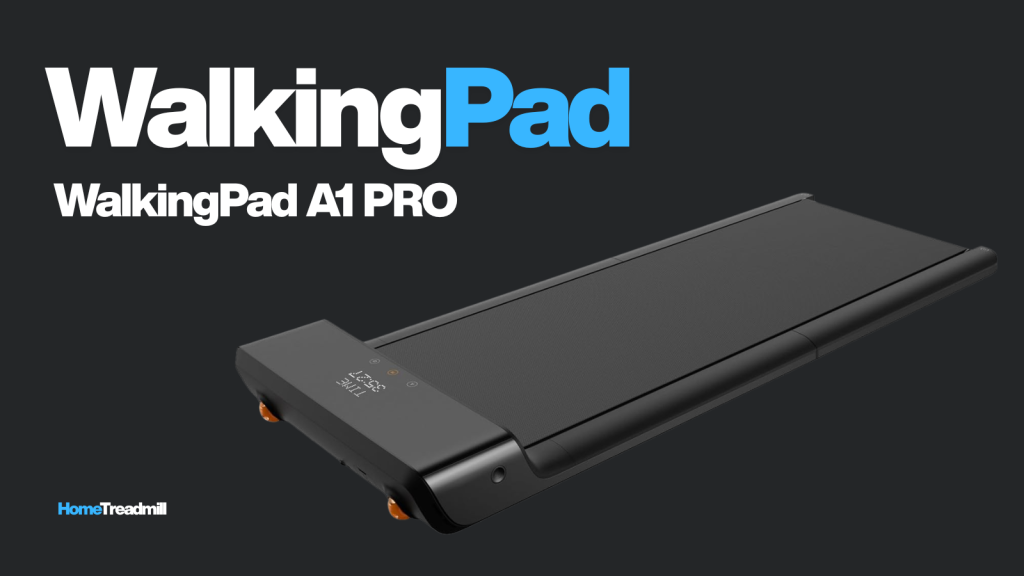
- Speed 3.7 mph
- Max user Up to 136 kg
- Build Aluminium
+ Clearpay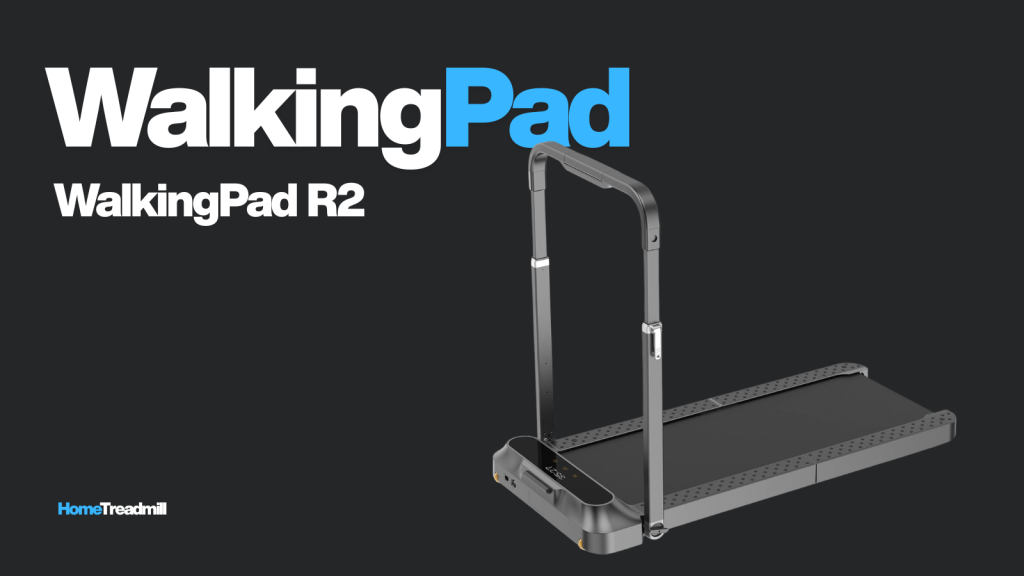
- Speed 7.5 mph
- Modes Walk + run
- Max user 110 kg
+ Clearpay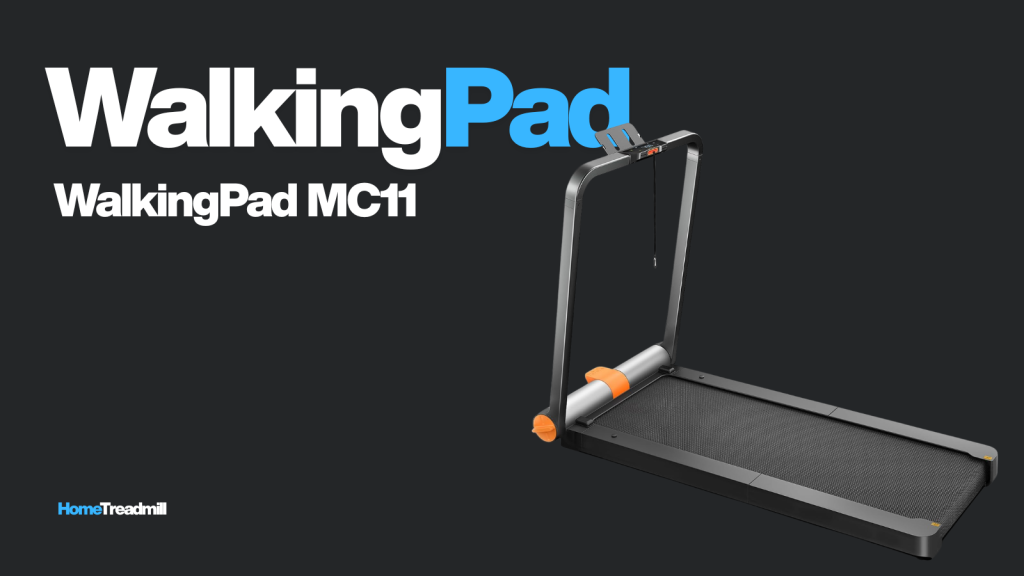
- Speed 7.5 mph
- Noise 45 dB
- Screen OLED
- Speed 7.5 mph
- Fold Double-fold
- Belt 121 x 46 cm
+ Clearpay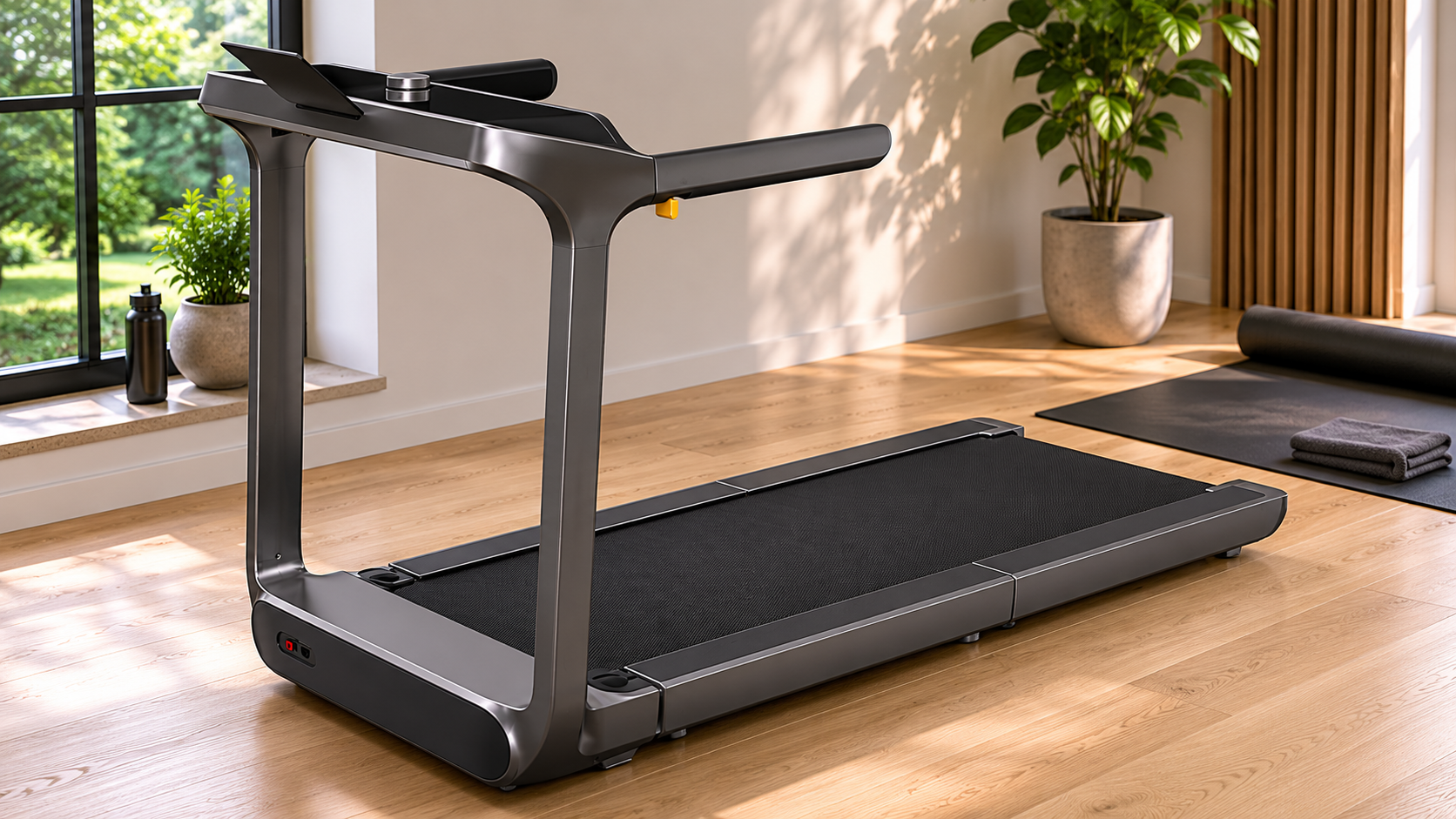
- Speed 11.5 mph
- Deck 140 x 51 cm
- Max user 136 kg
+ ClearpayWalkingPad is the brand that invented the foldable walking pad, and in the UK it has quietly become the name most people picture when they think “walking pad”. That is not marketing hyperbole. Beijing-based parent company Kingsmith holds the patent on the 180-degree folding treadmill design that every competitor now imitates. The company launched the original WalkingPad in 2018 through a Xiaomi crowdfunding campaign, and has since grown the range to thirteen models spanning walking pads, hybrid 2-in-1 machines, compact runners and, now, a full foldable running treadmill. The range has won both Red Dot and iF Design Awards, and WalkingPad claims bestseller status in 57 countries.
That pedigree comes with premium pricing. The WalkingPad UK range now runs from around £319 for the Z1 on sale to £1,099 for the new X218, well above value brands like UREVO (from £100) or the generic pads that flood Amazon for under £150. What you get for the premium is a brushless motor on every model, a genuinely good companion app (KS Fit), build quality reviewers consistently praise, and the kind of industrial design that wins awards rather than gathering dust in a spare room. In design language and finish, a Kingsmith walking pad is the Apple of the category, and that is no exaggeration.
The UK range is sold through Amazon UK and the official WalkingPad UK store, which ships from a UK warehouse via DHL UK and UK Mail, with Klarna and Clearpay available at checkout. Warranty is one year across every model, and the UK store occasionally runs 30-day free return promotions.
What makes a guide like this necessary is the naming. The model names (A1 Pro, P1, C1, Z1, C2, Z3, R1 Pro, R2, R3 Hybrid+, MC11, X21, X218 and so on) follow no obvious logic. There are two “Pro” models that share almost nothing. The Z3 exists as both a walking pad and a hybrid treadmill (Z3 Hybrid+), and they are different machines at different prices. The R-series spans three machines with different speeds, form factors and a wide price gap. This guide makes sense of all of it. WalkingPad have one of the deepest ranges of walking pads on the market, so this is a big article: use the quick navigation above to jump to the model you care about.
Understanding the range: four categories
Despite the chaotic naming, the range falls neatly into four groups based on what each machine actually does:
- Walking pads Up to 3.7 mph (6 km/h) Flat, handlebar-free machines for walking at a desk or in front of the television. The C1, Z1, C2, P1, A1 Pro and Z3 sit here, from around £309 to £429. The differences come down to motor quality, weight capacity, folding mechanism and display.
- Hybrid 2-in-1 machines 6.2 to 7.5 mph (10 to 12 km/h) The clever middle ground. A handlebar folds flat for under-desk walking at up to 3.7 mph, then raises for jogging or running at the machine’s full speed. The R1 Pro, Z3 Hybrid+, R2 and R3 Hybrid+ are all 2-in-1 designs, roughly £459 to £639.
- Compact runners Up to 7.5 mph (12 km/h) The MC11 and X21 are small foldable treadmills with a permanent handlebar, built to run on rather than walk under a desk. The X21 uses a double-fold for extraordinary compactness; the MC11 is the price-performance pick. Around £549 to £699.
- Foldable running treadmill Up to 11.5 mph (18.5 km/h) New for 2026, the X218 is a different class altogether: a proper home treadmill with a 140 cm deck and an 11.5 mph top speed that still folds away. £1,099.
No WalkingPad model offers incline. This is the single biggest gap against UREVO (up to 14% auto incline) and worth weighing if incline walking or hill running matters to your goals. If it does, our UREVO guide is the place to start.
WalkingPad full range at a glance
| Model | Type and max speed | Max user weight | RunRank | From |
|---|---|---|---|---|
| C1 | Walking pad · 3.7 mph (6 km/h) | 100 kg | 3.8 | £309 |
| Z1 | Walking pad · 3.7 mph (6 km/h) | 110 kg | 4.3 | £319 |
| C2 | Walking pad · 3.7 mph (6 km/h) | 100 kg | 3.9 | £369 |
| P1 | Walking pad · 3.7 mph (6 km/h) | 100 kg | 3.7 | £329 |
| A1 Pro | Walking pad · 3.7 mph (6 km/h) | 105 to 136 kg | 4.1 | £429 |
| Z3 | Walking pad · 3.7 mph (6 km/h) | 110 kg | 3.8 | £429 |
| R1 Pro | Hybrid 2-in-1 · 6.2 mph (10 km/h) | 110 kg | 4.0 | £459 |
| Z3 Hybrid+ | Hybrid 2-in-1 · 6.2 mph (10 km/h) | 110 kg | 4.0 | £539 |
| R2 | Hybrid 2-in-1 · 7.5 mph (12 km/h) | 110 kg | 4.3 | £599 |
| R3 Hybrid+ | Hybrid 2-in-1 · 7.5 mph (12 km/h) | 120 kg | 4.2 | £639 |
| MC11 | Compact runner · 7.5 mph (12 km/h) | 110 kg | 4.2 | £549 |
| X21 | Compact runner · 7.5 mph (12 km/h) | 110 kg | 4.2 | £699 |
| X218 | Running treadmill · 11.5 mph (18.5 km/h) | 136 kg | 4.4 | £1,099 |
The A1 Pro is sold in two weight-capacity variants (105 kg and 136 kg) through one Amazon UK listing. The Z3 and Z3 Hybrid+ are separate products despite the shared name: the Hybrid+ adds side handrails and reaches 6.2 mph versus the Z3’s 3.7 mph. Prices are current WalkingPad UK sale prices and fluctuate. The WalkingPad UK store cannot ship to Northern Ireland; Northern Irish buyers should use Amazon UK.
Walking pads: walking only (3.7 mph max)
Despite the brand name, only some WalkingPad machines are walking-only. This first group is: six models, all capped at 3.7 mph (6 km/h), all designed for walking at a desk, in front of the television, or simply getting steps in at home. None have handrails and none support running. All connect to the KS Fit app for tracking. The differences are in weight capacity, motor, folding mechanism, display type and, as always, price.
Every walking pad in the range shares the same 120 cm belt length and, with the exception of the Z3, the same 41.5 cm belt width. That 120 cm (47-inch) length is notably longer than many rivals: BarBend’s reviewer singled it out as 3 to 13 inches longer than other under-desk treadmills they reviewed. It is one of WalkingPad’s genuine engineering advantages across the range.
WalkingPad C1
£309Walking pad · 3.7 mph (6 km/h) · 1 HP brushless · 120 x 41.5 cm belt · 100 kg · remote-mounted display · 22 kg
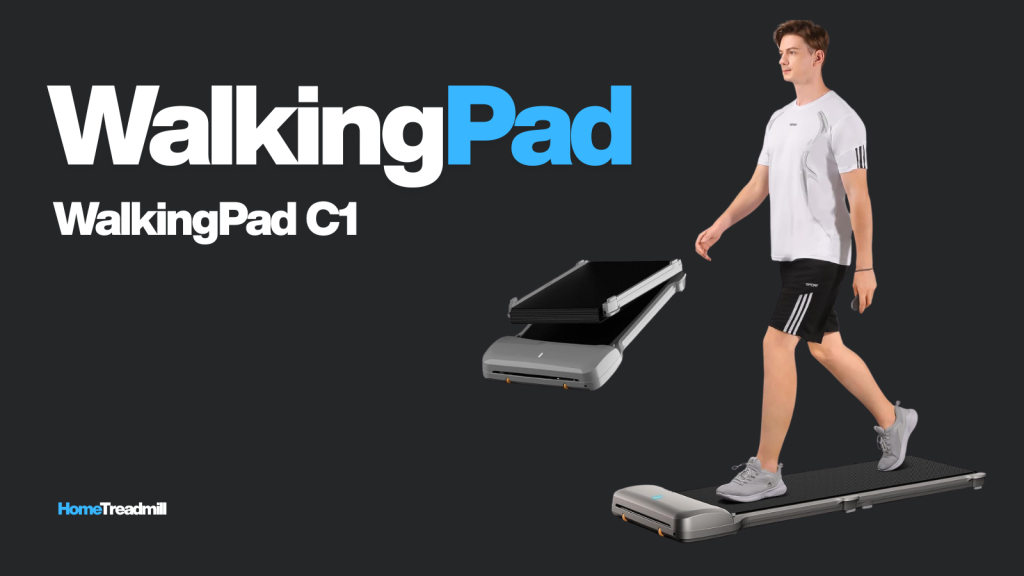
The entry point to the range and, despite being the cheapest, a genuinely well-designed machine. The C1 is the lightest WalkingPad at just 22 kg, which makes it the easiest to move and store. It folds to 85.5 x 52.8 x 14.5 cm, compact enough to slide under most beds or sofas.
The standout design choice is the display, or rather where it lives. There isn’t one on the machine itself. WalkingPad built the LED readout into the remote control, showing speed, time, distance, steps and calories in your hand. For under-desk use that is arguably better than a screen on the deck you cannot see past your knees. Home Gym Supply’s review called it their favourite feature of the C1, noting how practical it is for standing-desk setups.
The 1 HP brushless motor reaches 3.7 mph (6 km/h) with quiet, consistent operation, and the belt is the standard 120 x 41.5 cm. Weight capacity is the lowest in the range at 100 kg (220 lb), which is the main limitation: if you weigh over 90 kg, look at a model with more headroom.
The C1 needs the KS Fit app to unlock its full speed range, which a few reviewers flag as a minor annoyance. Out of the box the top speed is restricted until you connect. Once unlocked, the remote handles day-to-day speed control perfectly well.
WalkingPad Z1 Best value
£449£319Walking pad · 3.7 mph (6 km/h) · 1.25 HP brushless · 120 x 41.5 cm belt · 110 kg · Z-fold · FootSense · 24 kg
Often only a little more than the C1, the Z1 adds meaningful upgrades: a stronger 1.25 HP brushless motor, a higher 110 kg capacity (some Amazon UK listings show 120 kg for the Z1SE variant) and WalkingPad’s FootSense automatic speed control. It also uses a Z-fold mechanism, a patented design that collapses the machine into an exceptionally small package and is widely cited as one of the most portable walking pads you can buy in the UK.
FootSense is worth explaining because it is a genuine differentiator. In automatic mode the pad reads your foot position on the belt: walk toward the front and it speeds up, stay central and it holds, drift back and it slows. It takes a few sessions to feel natural, but once it learns your gait you rarely reach for the remote. It works best on hard floors, as carpet can confuse the sensors.
The LED display sits on the machine rather than the remote and shows the usual metrics. At 24 kg it is only 2 kg heavier than the C1 while offering the higher capacity and smarter speed control. At its current sale price the Z1 is the value pick of the whole range.
WalkingPad C2 New listing
£499£369Walking pad · 3.7 mph (6 km/h) · 1 HP brushless · 120 x 41.5 cm belt · 100 kg · 180-degree fold · FootSense · ~25 kg
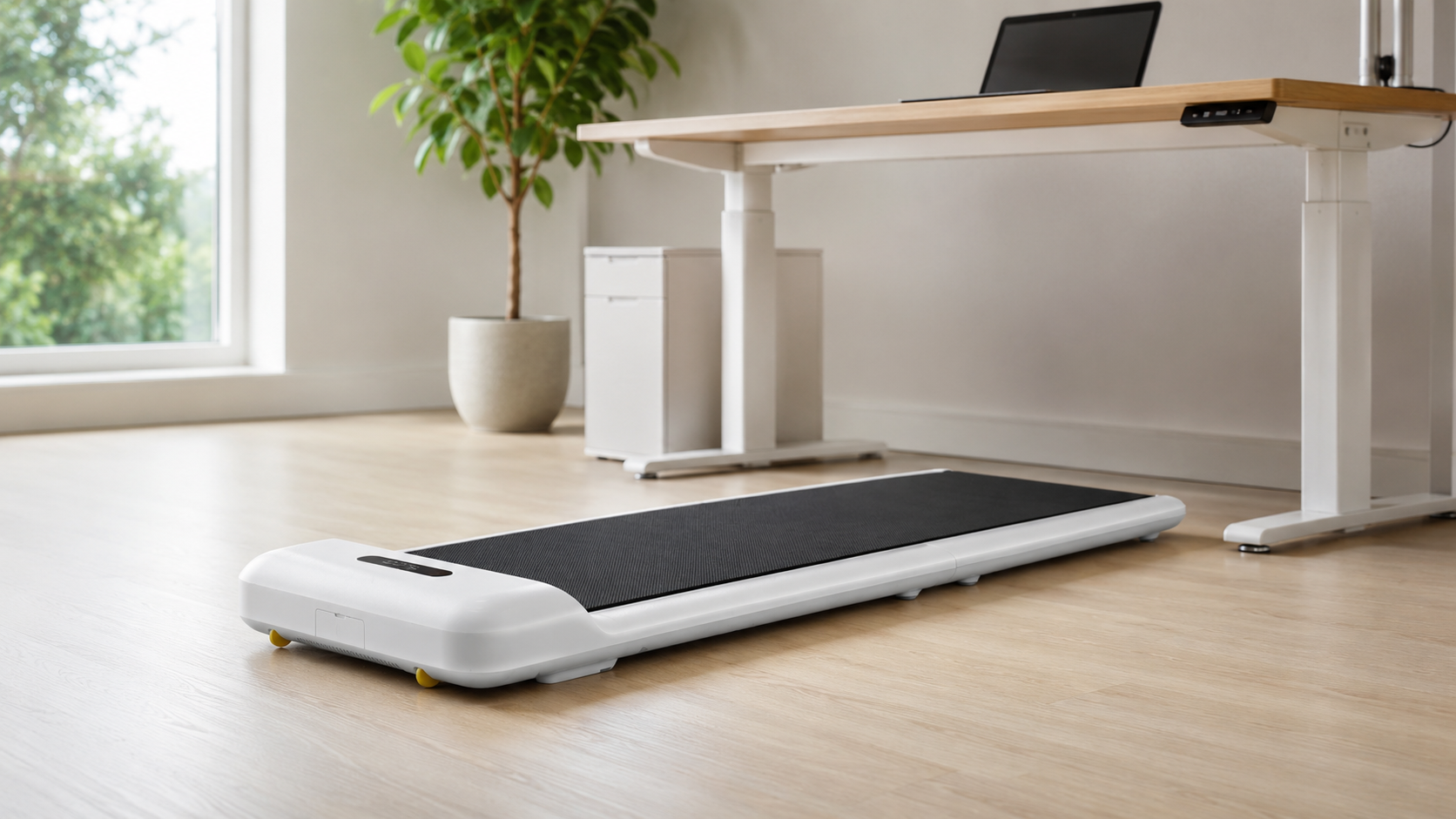
The C2 is one of the longer-serving designs in the range, and it shows, in both good and slightly dated ways. It pairs a 1 HP brushless motor with the standard 120 x 41.5 cm belt, a 100 kg capacity and a full 180-degree fold, and it includes FootSense automatic speed control, which is unusual at this price. At around 25 kg it stays easy to move.
Where the C2 feels its age is refinement. Across owner reviews you will see a recurring couple of gripes: the belt can need re-centring more often than the newer Z1, and the motor is a touch louder than WalkingPad’s quietest pads. Neither is a deal-breaker for steady desk walking, but together they are why the C2 sits behind the Z1 on our RunRank.
If you specifically want FootSense and a true 180-degree fold and you find the C2 on a sharp discount, it is a sound buy. At list price the Z1 is the cleaner choice for most people.
WalkingPad P1
£329Walking pad · 3.7 mph (6 km/h) · brushless motor · 120 x 41.5 cm belt · 100 kg · auto and manual modes
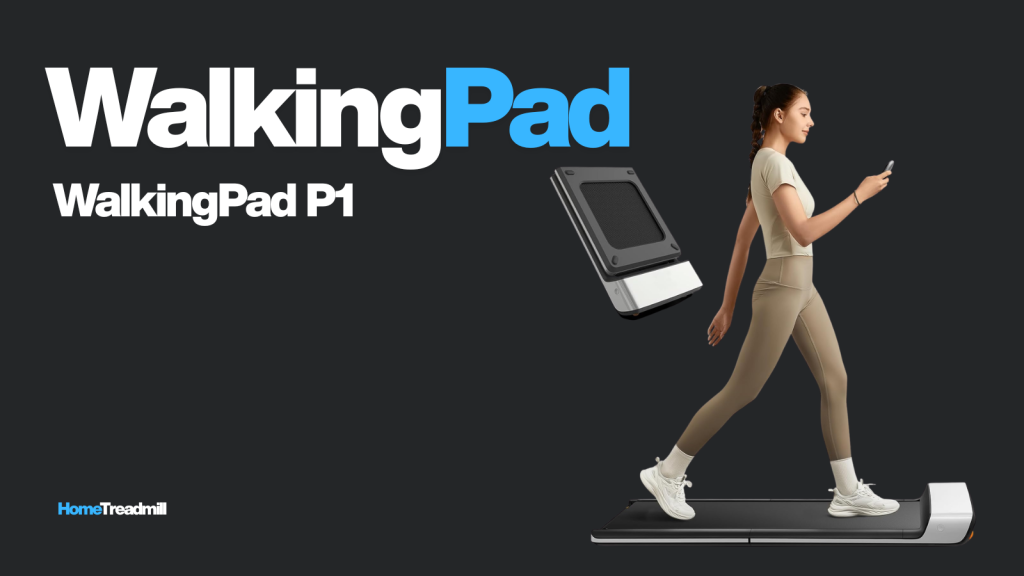
The P1 sits in an awkward spot in the current line-up. It shares the 120 x 41.5 cm belt of the C1 and Z1, the same 3.7 mph (6 km/h) top speed, and the same 100 kg capacity as the C1. What it carries is heritage: this is close to the original WalkingPad experience BarBend reviewed and praised, with their certified personal trainer recommending it as a useful way to add daily steps in almost any indoor setting.
The motor spec is muddled across sources. WalkingPad’s UK site lists the current P1 with a 0.75 HP brushless motor, while older listings show 1 HP or even 1.5 HP. The safe assumption is a brushless motor, possibly less powerful than the A1 Pro or Z1. That matters less than you would think for walking only: even 0.75 HP is ample at 3.7 mph.
The P1 supports both automatic (FootSense-style) and manual remote control, and arrives fully assembled. BarBend rated the workout experience 4 out of 5, praising speed-control responsiveness once running, while noting a slow boot-up and an occasionally fiddly remote.
At its current price the P1 sits above the Z1 (stronger motor, higher capacity) and below the A1 Pro (the highest capacity in the range). Unless you want the P1 specifically for its review pedigree, the Z1 and the A1 Pro both make a stronger case.
WalkingPad A1 Pro Best pad
£599£429Walking pad · 3.7 mph (6 km/h) · 1.25 HP brushless · 120 x 41.5 cm belt · 105 to 136 kg · aluminium chassis · FootSense · 27 kg
The flagship walking pad. The A1 Pro comes in two variants through one Amazon UK listing: a 105 kg (231 lb) version and a 136 kg (300 lb) version. That 136 kg rating is the highest of any WalkingPad by a wide margin and one of the highest in the walking pad market full stop. If capacity is your priority, nothing else in the range comes close.
Beyond capacity it brings a 1.25 HP brushless motor, the standard 120 x 41.5 cm belt and FootSense automatic speed control. It folds 180 degrees to a slim 82.2 x 54.7 x 12.9 cm with transport wheels, and the build is a clear step up: an integrated aluminium alloy chassis gives it a noticeably more premium feel than the budget models.
The on-deck LED shows speed, time, distance, calories and steps, and KS Fit handles full control and tracking. At 27 kg it is lighter than the hybrids and runners while still feeling solid underfoot. The premium for the 136 kg variant is excellent value if you need it: the mechanicals are presumably identical and the extra rating reflects reinforced structure rather than a different motor. Under 90 kg and don’t need the headroom? The 105 kg version saves money without losing the premium build or FootSense.
WalkingPad Z3
£429Walking pad · 3.7 mph (6 km/h) · 1 HP brushless · 120 x 40 cm belt · 110 kg · 15-degree EasyView display · 8-layer cushioning
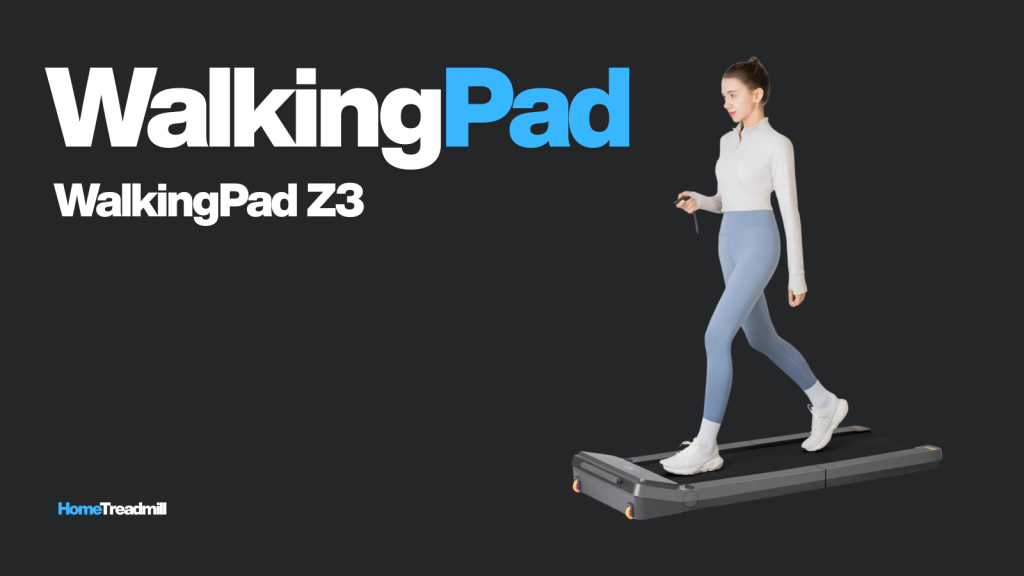
The Z3 is the design-led walking pad in the range, and how much you value it comes down to display ergonomics and finish. The headline is the EasyView display, a 15-degree tilted screen meant to cut neck strain on longer walks. If you find yourself craning to read a flat deck display, the tilt is a real quality-of-life win.
The 1 HP brushless motor is a little less powerful than the A1 Pro’s 1.25 HP, and the belt is marginally narrower at 120 x 40 cm versus 41.5 cm. WalkingPad also fits what it calls an 8-layer cushioning system for better shock absorption, and the 110 kg capacity covers most users.
At its current price the Z3 lands close to the A1 Pro. Against that machine you are trading a touch of motor power, belt width and capacity for the tilted display and the Z3’s design refinements. For most buyers the A1 Pro is the more practical pick, but if you walk for long stretches and value the EasyView angle, or you plan to step up to the matching Z3 Hybrid+, the Z3 earns its place.
Hybrid 2-in-1 machines: walk and run
This is where the range gets genuinely interesting. Four models add a handlebar that switches the machine between two modes: fold it flat for under-desk walking at up to 3.7 mph (6 km/h), raise it for jogging or running at the machine’s full speed. It is a neat answer to the walking-pad-versus-treadmill question, and WalkingPad’s engineering background shows: the folding mechanism is rated to 100,000 cycles.
Every hybrid connects to KS Fit and ships with a remote. Belt width grows to 44 cm on the R-series (up from 41.5 cm on the walking pads), giving a little more room for a running stride, though 44 cm is still narrow by conventional treadmill standards.
WalkingPad R1 Pro
£459Hybrid 2-in-1 · 6.2 mph (10 km/h) · 1 HP brushless · 120 x 44 cm belt · 110 kg · vertical fold · ~33 to 38 kg
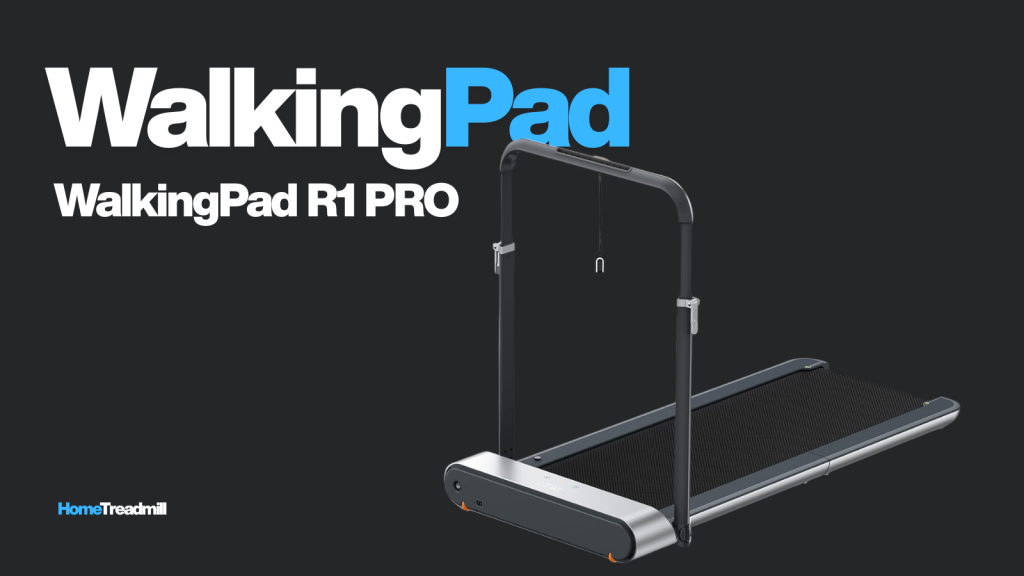
The entry hybrid, and the more affordable of the two “Pro” models (the other being the A1 Pro, a walking pad with completely different specs, which tells you all you need to know about the naming). The R1 Pro reaches 6.2 mph (10 km/h) on a 1 HP brushless motor, runs the wider 120 x 44 cm belt and handles 110 kg.
It uses a 180-degree fold plus an extra fold for vertical storage, handy where leaning against a wall beats lying flat under furniture. Amazon UK reviews lean positive, praising the speed range and compact storage while flagging the handrail as fiddly to raise and lower. One reviewer noted belt drift after folding, though the supplied Allen key lets you re-centre it.
The 6.2 mph cap supports a steady jog but not a proper run, roughly a 9:40-per-mile pace, comfortable for light jogging but limiting if you want to push. If you think you will, the R2 just above reaches 7.5 mph. A note on weight: Kingsmith’s own site lists the R1 Pro at both 33 kg and 38 kg (the net and gross figures look swapped), so expect something in that range, heavier than the walking pads but fine on the built-in wheels.
WalkingPad Z3 Hybrid+
£539Hybrid 2-in-1 · 6.2 mph (10 km/h) · 120 x 40 cm belt · 110 kg · side handrails · 15-degree EasyView display · ~39 kg
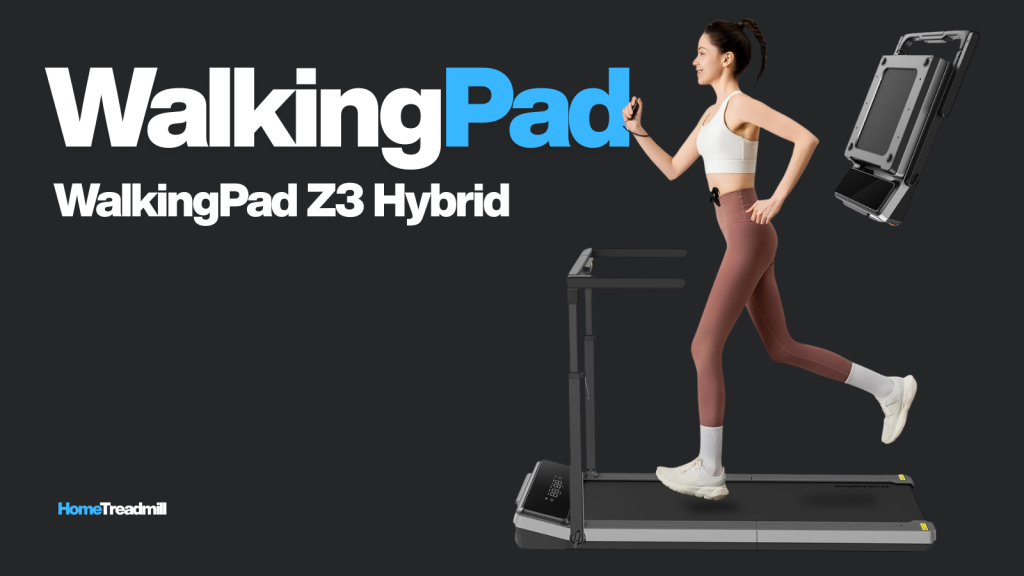
Despite the shared name, the Z3 Hybrid+ is a meaningfully different machine from the walking-only Z3. It adds side handrails and an adjustable upright, reaches 6.2 mph (10 km/h) with the handrail raised and weighs about 39 kg, some 10 kg more than the walking Z3. It keeps the 15-degree EasyView display and the 120 x 40 cm belt, which is narrower than the R-series 44 cm.
The side-rail design is the key difference from the R-series front handlebar: rails run alongside the belt rather than a single bar at the front. That is down to preference. Side rails can feel more secure to hold while jogging, while a front handlebar gives a more natural running position.
At its current price the Z3 Hybrid+ sits a little under the walking-only Z3 once discounts are in play, and close to the R1 Pro. Against the R1 Pro you gain the EasyView display and side rails in exchange for a narrower belt (40 versus 44 cm) at the same 6.2 mph. Against the walking-only Z3 you gain jogging for similar money. The logic is simple: if you are looking at the Z3, look at the Hybrid+ first.
WalkingPad R2 Best hybrid
£769£599Hybrid 2-in-1 · 7.5 mph (12 km/h) · 1 HP brushless 918 W · 120 x 44 cm belt · 110 kg · 36 kg
The sweet spot of the hybrid range, and the model most reviewers point to. It takes the R1 Pro formula and lifts the top speed to 7.5 mph (12 km/h), enough for a genuine run rather than just a jog. The 1 HP brushless motor delivers 918 W, the belt is the wider 120 x 44 cm and capacity is 110 kg. The handrail folds flat for walking mode (up to 3.7 mph) and raises for running.
Home Gym Supply’s review rated the build high for such a compact machine, noting it supports 110 kg while weighing only 36 kg. They flagged the 44 cm belt as narrow for taller users or a wide stride, and described the LED console as basic, rotating between metrics every few seconds rather than showing them at once.
Amazon UK reviews follow a pattern: happy walkers and light joggers, with the odd complaint from buyers expecting a full-size treadmill. The belt-drift point recurs, with the belt shifting after folding and needing the supplied Allen key. KS Fit control is a useful fallback when the remote frustrates, though the app connection can be inconsistent. The step up from the R1 Pro buys 1.3 mph more top speed, which is the difference between light jogging and real running, and for most hybrid buyers it is worth it.
WalkingPad R3 Hybrid+
£639Hybrid 2-in-1 · 7.5 mph (12 km/h) · 120 x 44 cm belt · 120 kg · side handrails · LED lighting
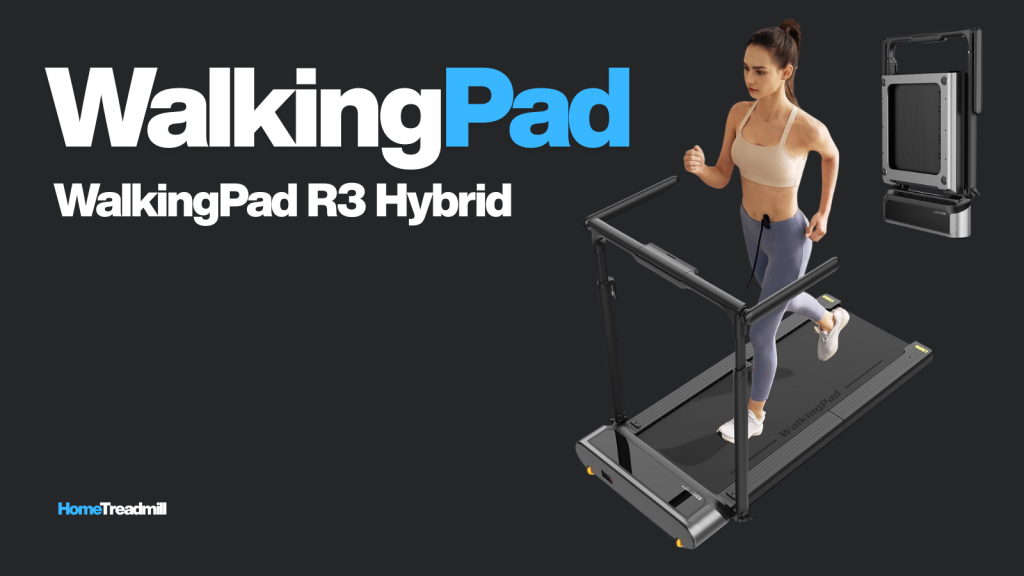
The flagship hybrid. The R3 Hybrid+ matches the R2’s 7.5 mph (12 km/h) and lifts capacity to 120 kg, the highest of any hybrid and second only to the A1 Pro’s 136 kg across the whole range. It uses side handrails (like the Z3 Hybrid+ rather than the R1 Pro and R2 front bar), adds LED accent lighting and keeps the 120 x 44 cm belt.
Consumer Reports included the R3 Hybrid+ in its treadmill review programme, assessing ergonomics, construction and ease of use, a sign the model has drawn mainstream attention beyond the walking pad niche. The side rails are a deliberate choice: they open up the running position and can feel more natural for anyone who would rather not grip a bar mid-run.
The premium over the R2 buys the higher capacity (120 versus 110 kg), the side-rail design and the lighting. Over 100 kg and want a hybrid? The R3 Hybrid+ is the sensible choice. Under 100 kg and the R2 gives effectively the same performance for less.
Compact runners (7.5 mph max)
Two machines built to run on rather than walk under a desk, both reaching 7.5 mph (12 km/h) with a permanent handlebar. These are compact foldable treadmills that happen to come from a walking pad brand, with the same build quality and KS Fit connectivity as the rest of the range.
WalkingPad MC11 Best value runner
£549Compact runner · 7.5 mph (12 km/h) · brushless 930 W · 120 x 44 cm belt · 110 kg · OLED screen · 45 dB
The price-performance pick of the runners. At £549 the MC11 is the cheapest route to 7.5 mph (12 km/h) running in a WalkingPad, £150 under the X21 and £50 under the R2 hybrid.
The brushless motor delivers 930 W with a claimed 45 dB noise level, very quiet for a running-capable machine. The 120 x 44 cm belt matches the R-series hybrids and the 110 kg capacity covers most users. It uses an OLED screen rather than the basic LED of cheaper models, so workout data is clearer and higher contrast. A foldable handrail keeps storage reasonably compact, though it is not meant to work as a flat under-desk pad the way the R-series hybrids do.
The touch controls take a little getting used to, but click into place quickly. The headline is simply that the MC11 gives up little to the pricier X21 beyond the fold and the dial, which is exactly the kind of thing that makes the range’s naming so confusing.
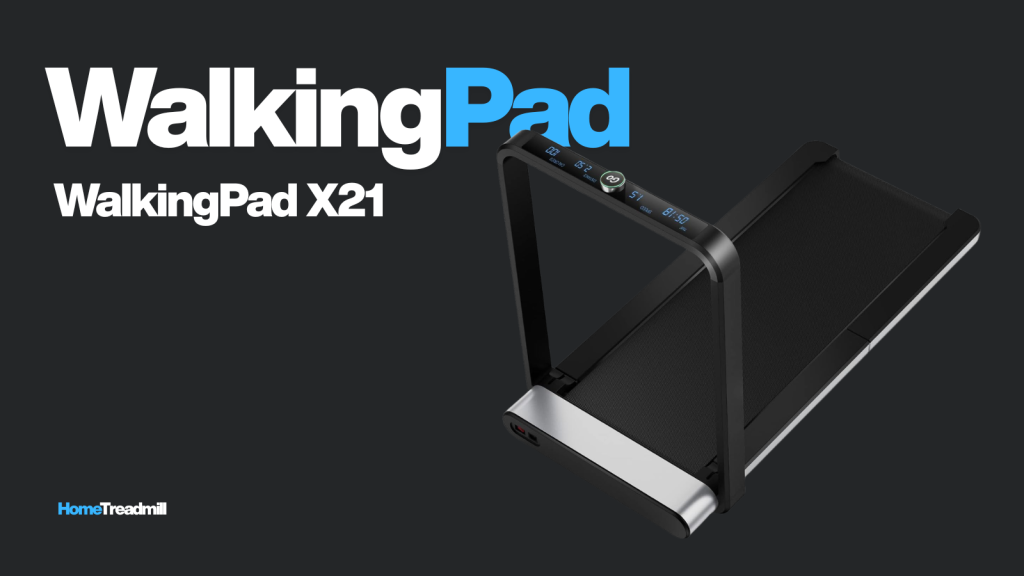
WalkingPad X21
£999£699Compact runner · 7.5 mph (12 km/h) · 1 HP brushless 918 W · 121 x 46 cm belt · 110 kg · double-fold · rotary dial
The design flagship of the compact runners. The X21 won both the Red Dot and iF Design Awards, and it is easy to see why: a strikingly minimal treadmill with a double-fold mechanism that makes it the most compact runner in the range when stored. The first fold lifts the deck vertical; the second halves the height again, leaving a package around 100.7 cm tall that leans against a wall like a slim piece of furniture. Nothing else folds this small while offering 7.5 mph (12 km/h).
The 1 HP brushless motor delivers 918 W, and at 121 x 46 cm the belt is the widest of the walking-pad-derived models, 2 cm more than the R-series and MC11. That extra width is noticeable when running and helps taller users or a wider stance. A rotary speed dial on the handlebar replaces the remote, which is far more intuitive than fumbling with a phone at pace.
At £699 the X21 sits below only the new X218. The premium over the MC11 buys the double-fold storage, the wider belt, the rotary dial and the award-winning design. If space is tight and you appreciate the industrial design, it justifies the price. If you only care about the running itself, the MC11 delivers much the same workout for £150 less.
Foldable running treadmill (11.5 mph max)
New for 2026, the X218 is the machine that finally pushes WalkingPad past the walking pad. It is a proper foldable home treadmill, and it sits in a class of its own in the range: more motor, more deck and more speed than anything else Kingsmith makes, while still folding away when you are done.
WalkingPad X218 New
£1,499£1,099Running treadmill · 11.5 mph (18.5 km/h) · 1.75 HP 1470 W · 140 x 51 cm deck · 136 kg · vertical fold · 11 programmes · NFC and Apple Watch · ~60 kg
The X218 is the most capable machine WalkingPad has ever made, and the only one that genuinely deserves the word treadmill rather than walking pad. The 1.75 HP motor delivers 1470 W and an 11.5 mph (18.5 km/h) top speed, comfortably into real running territory, and the deck is a generous 140 x 51 cm, far larger than anything else in the range and close to a conventional treadmill. Capacity is 136 kg, matching the top A1 Pro variant.
It still folds, using a vertical fold to stand away in a corner, though at around 60 kg it ships as a freight item and is not something you will tuck under the sofa. There are 11 built-in programmes for structured sessions, and connectivity steps up too, with NFC pairing and Apple Watch support alongside the KS Fit app.
At £1,099 the X218 is the most expensive WalkingPad by some distance, and the value question is straightforward: if you want to run properly at home and still fold the machine away, it is the only model in the range that does both. If you only ever walk or jog, it is far more machine, and money, than you need, and a hybrid or the MC11 will serve you better. It still has no incline, which at this price is the one disappointment.
WalkingPad apps and connectivity
Every current model connects to the KS Fit app (iOS and Android), which doubles as a remote control and a workout tracker. It shows real-time speed, time, distance, calories and steps, logs your history, and lets you set goals, follow structured walking plans and control speed from your phone.
KS Fit is consistently described as functional and reliable, a welcome contrast to some rivals where Bluetooth dropouts and buggy interfaces are common complaints. That said, a few Amazon UK owners report the odd mid-workout disconnection. The app is not required for basic use, as every model works with its remote, but it adds data tracking and phone control for those who want it.
On the FootSense models (A1 Pro, Z1 and C2), the app is where you fine-tune how sensitive the foot-position detection is. Getting that calibration right is the difference between FootSense feeling intuitive and feeling like the machine has its own ideas. The new X218 goes further still, adding NFC pairing and Apple Watch support on top of KS Fit.
WalkingPad pros and cons
- Build quality. The consistent theme across professional reviews. Despite being lightweight and foldable, WalkingPad machines feel robust and well-engineered.
- Brushless motors throughout. Quieter running, no brush dust and far longer theoretical lifespans than the brushed motors in most rivals at similar or lower prices.
- The 120 cm belt. At 47 inches it is longer than most pads and many compact treadmills, giving a more comfortable stride. BarBend praised it as 3 to 13 inches longer than other under-desk treadmills they reviewed.
- Patented, smooth folding. Rated to 100,000 cycles. The X21 double-fold is an engineering highlight, the Z1 Z-fold is the most portable design in the range, and the standard 180-degree fold is the reference rivals copy.
- App and FootSense. KS Fit is more reliable than most competitor apps, and FootSense hands-free speed control on the A1 Pro, Z1 and C2 adds convenience remote-only rivals lack.
- Price. The cheapest WalkingPad still costs well over UREVO’s entry pad. The premium is justifiable, but it competes in a higher tier. If budget is your main concern, this is the wrong brand.
- No incline anywhere. UREVO offers up to 14% auto incline and several Mobvoi models add incline too. WalkingPad has none on any model. Irrelevant for flat walking, a real gap for hill simulation.
- Narrow belts. Even the widest walking-pad-derived belt (X21 at 46 cm) is narrower than a gym belt (50 to 56 cm). The new X218 at 51 cm is the exception.
- Belt drift after folding. A recurring point across the hybrids. The belt can shift off-centre and need the supplied Allen key. A known maintenance step rather than a fault.
- Naming. Two unrelated “Pro” models, a Z3 and Z3 Hybrid+ that differ, and names that tell you nothing about capability. This guide exists partly because of it.
- Online-only support. Support is remote, some owners report difficulty getting replacement parts (remotes especially), and the one-year warranty is shorter than UREVO’s two years on direct purchases.
Which WalkingPad should you buy?
Frequently asked questions
Is WalkingPad the same as Kingsmith?
Yes. WalkingPad is a product brand created by Kingsmith (also written as KingSmith), a Beijing-based fitness technology company founded in 2015. You may see products branded as “WalkingPad”, “Kingsmith WalkingPad” or “KingSmith”: they are all the same company and the same product range. The WalkingPad brand launched in 2018 through a Xiaomi ecosystem crowdfunding campaign.
Can you run on a WalkingPad?
It depends on the model. The walking-only pads (C1, Z1, C2, P1, A1 Pro, Z3) cap at 3.7 mph (6 km/h), which is walking pace only, as we explain in our guide to whether you can run on a walking pad. The hybrid 2-in-1 models (R1 Pro, Z3 Hybrid+, R2, R3 Hybrid+) reach 6.2 to 7.5 mph with the handrail raised, and the compact runners (MC11, X21) reach 7.5 mph (12 km/h). The new X218 goes to 11.5 mph (18.5 km/h), making it the only model in the range fast enough for genuine running training.
What is FootSense and which models have it?
FootSense is WalkingPad’s automatic speed control. It reads your foot position on the belt: walk toward the front and it speeds up, stay central and it holds, move toward the back and it slows. It is available on the A1 Pro, Z1 and C2. The feature works best on hard, flat floors, as carpet can reduce sensor accuracy.
Does WalkingPad deliver to Northern Ireland?
The WalkingPad UK store (uk.walkingpad.com) cannot ship to Northern Ireland. Buyers in Northern Ireland should order through Amazon UK, which does deliver to Northern Irish addresses.
What warranty does WalkingPad offer in the UK?
One year as standard across all models. The WalkingPad UK store offers 30-day returns from the delivery date, and Amazon UK purchases are also covered by Amazon’s own return policy. Several owners have reported difficulty obtaining replacement parts, particularly remotes, through WalkingPad’s support channels.
What is the difference between the Z3 and Z3 Hybrid+?
They are different machines. The Z3 is a walking-only pad with a 3.7 mph top speed and no handrails. The Z3 Hybrid+ adds side handrails and reaches 6.2 mph, making it a 2-in-1 hybrid. Both share the 15-degree EasyView tilted display and the 120 x 40 cm belt. If you are choosing between them, the Hybrid+ offers more capability for similar money.
How does WalkingPad compare to UREVO?
WalkingPad is the premium option: brushless motors throughout, longer 120 cm belts, superior build quality and award-winning design. UREVO is the value option: lower prices (from £100), a wider model range and, crucially, powered auto incline (up to 14%) that WalkingPad does not offer at all. Choose WalkingPad for quality and design, UREVO for budget and incline. See our full UREVO guide for the head-to-head.
Are WalkingPad treadmills quiet enough for video calls?
At walking speeds, most models are quiet enough for calls. The MC11 claims 45 dB operation, roughly a quiet library, and brushless motors across the range keep noise lower than brushed-motor rivals. At running speeds on the hybrids and runners, motor and footfall noise rise noticeably. A rubber mat underneath reduces vibration and noise transmission to floors below.
Which is the best WalkingPad in the UK overall?
There is no single answer, because it depends on how you will use it. For value walking the Z1 is our top pick, the A1 Pro is the best pad outright, the R2 is the best hybrid, and the X218 is the one to choose if you want to run properly at home. Our RunRank scores above rank each model on performance, build and value to help you decide.
Ready to choose your WalkingPad?
The Z1 at £319 is the value pick of the whole range. The A1 Pro is the best pad outright, the R2 the best hybrid, and the X218 the one that lets you genuinely run. All ship from a UK warehouse with Klarna and Clearpay at checkout.
Further reading: Best walking pads UK · Can you run on a walking pad? · UREVO treadmills UK, every model reviewed and compared.
HomeTreadmill.co.uk is reader-supported. When you buy through links on our site we may earn a small affiliate commission at no extra cost to you. This does not influence our reviews or RunRank scores, which are decided independently. Prices checked August 2026 and change with sales, so always confirm the live price at the checkout.