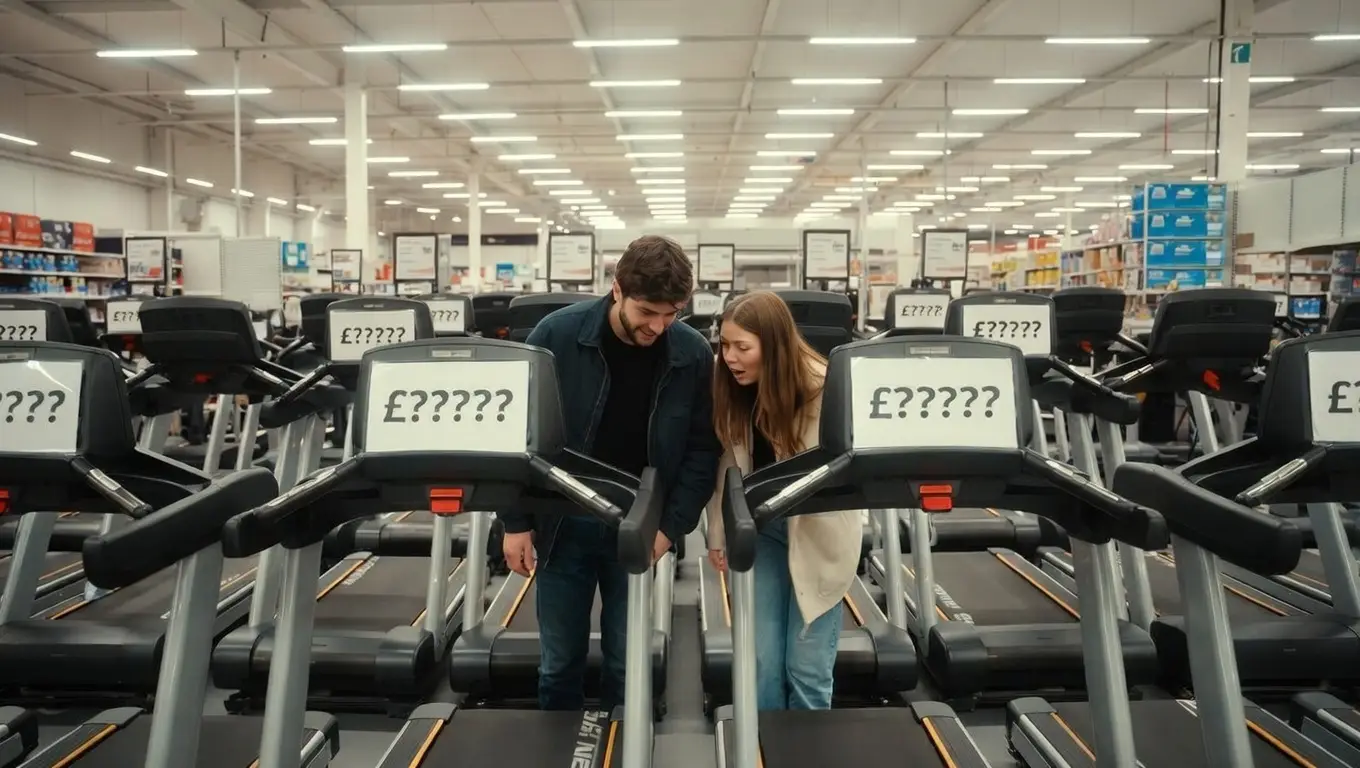
If you’re considering buying a treadmill for home use, you’re probably wondering what kind of budget you’ll need.
Treadmill prices vary enormously, from compact walking pads under £200, mid-range folding treadmills for convenient home use, to commercial-grade machines costing several thousand pounds.
The good news is that there’s a treadmill for almost every budget. The key is understanding what you get at each price point so you can make an informed decision rather than overspending on features you don’t need or underspending on a machine that won’t last.
This guide for 2026 breaks down UK treadmill prices by category, explains what drives the cost differences, and helps you work out how much you should realistically spend.
Treadmill Prices at a Glance
Here’s what you can typically expect to pay for different types of treadmills in the UK:
-
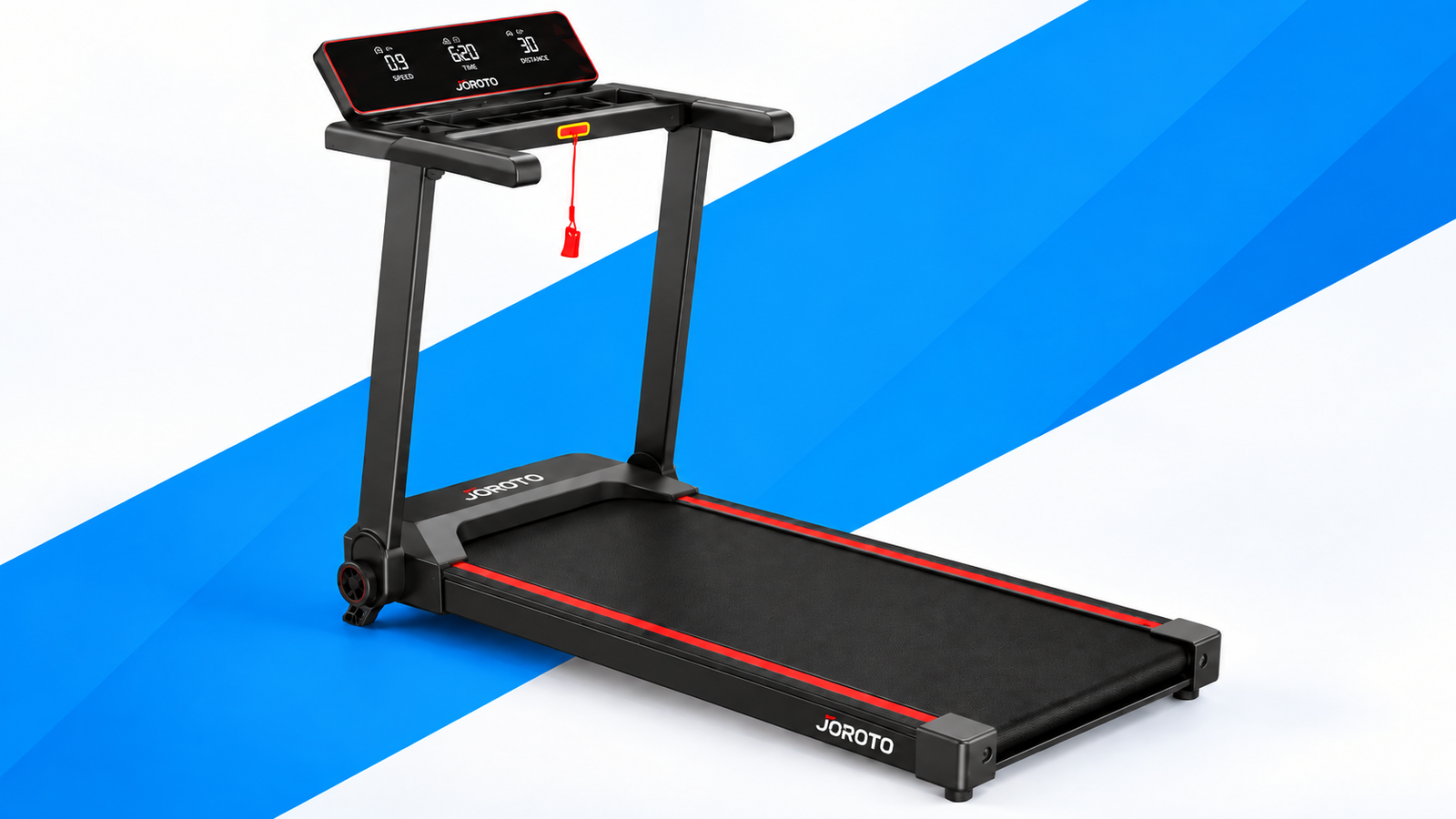
Walking pads and budget treadmills: £150 to £350
-
Entry-level folding treadmills: £350 to £600
-
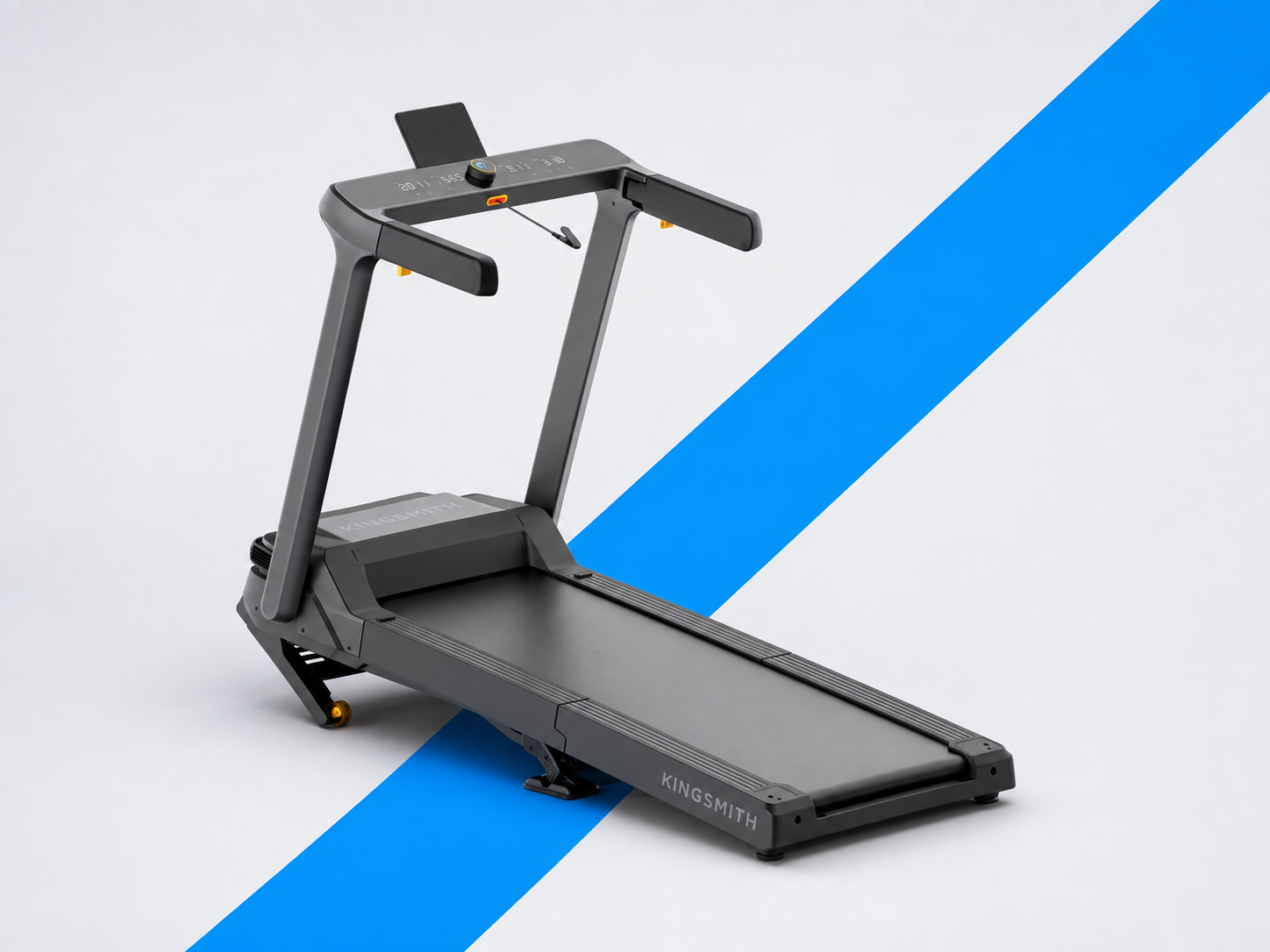
Mid-range folding treadmills: £600 to £1,000
-
High-end home treadmills: £1,000 to £2,00
-
Premium and commercial-grade: £2,000 to £4,000+
The average home treadmill buyer in the UK spends somewhere between £500 and £1,000. This mid-range bracket gets you a solid machine with useful features like incline adjustment, a decent running surface, and enough motor power to handle regular jogging or running.
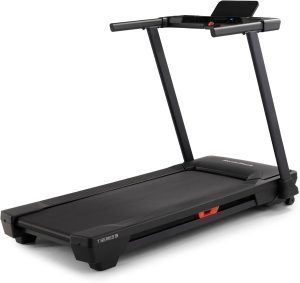
BEST FOR BEGINNERS: NordicTrack T Series 5
- Powerful 2.6 CHP motor delivers quiet, consistent performance
- 10% incline capability transforms flat sessions into calorie-burning hill workouts
- Cushioned running deck provides ample room for comfortable strides
- iFit compatibility unlocks thousands of trainer-led workouts
- 10-year motor warranty on registration
What Actually Matters When Buying a Treadmill?
Before looking at prices, it helps to understand the specs that separate a good treadmill from a poor one. These are the features that determine whether a machine suits your needs and lasts the distance.
1. Motor power is measured in horsepower (HP). A more powerful motor handles faster speeds and heavier users without straining. For walking, 1.5 to 2 HP is fine. For regular running, you want at least 2.5 HP continuous. Underpowered motors overheat, struggle at higher speeds, and wear out faster.
2. Belt size affects how natural it feels to walk or run. Longer belts give you room for a full stride; shorter belts force you to shorten your steps unnaturally. Wider belts provide more margin for error so you’re not constantly worried about stepping off the edge. Walkers can manage with a 100 to 110cm belt, but runners should look for 120cm or longer and at least 45cm wide.
3. Incline lets you simulate hills and increase workout intensity without running faster. Powered incline adjusts at the touch of a button; manual incline requires you to stop and physically change the angle. If you want varied workouts or plan to do incline walking for weight loss, powered incline is worth having.
4. Cushioning absorbs impact and protects your joints. Better cushioning systems make running more comfortable and reduce injury risk over time. This matters more if you’re running frequently, carrying extra weight, or have existing knee or hip concerns.
5. Maximum speed determines whether a treadmill suits your fitness level. Walking pads often top out at 6 to 8 mph, which limits you to brisk walking or a slow jog. Proper running treadmills reach 12 mph or higher, giving you room to progress as your fitness improves.
6. Weight capacity isn’t just about whether the machine can physically support you. Higher weight capacities generally indicate sturdier frames and better build quality throughout. Even if you’re well under the limit, a higher-rated machine tends to feel more stable and last longer.
With those basics covered, here’s what you can expect to pay at each level.
What You Get at Each Price Point
£150 to £350: Walking Pads and Budget Treadmills
At the entry level, you’ll find compact walking pads designed primarily for walking and very light jogging. These machines prioritise portability and space-saving over performance.
Typical features:
- Motor Size: Motors around 1 to 2 HP.
- Speed: Maximum speeds of 6 to 8 mph.
- Belt Size: Belt lengths of 100 to 120cm.
- Incline: No incline function or limited manual incline.
- Display: Basic LED displays.
- Footprint: Lightweight frames that fold flat for storage.
Best for: Desk walking, light exercise, small spaces, occasional use, people who primarily want to walk rather than run.
Limitations: Not suitable for serious running. Shorter belts restrict stride length. Less cushioning means more joint impact. Lower weight capacities. Motors may struggle with sustained use.
Walking pads in this bracket can be perfectly adequate if your goal is simply to move more throughout the day. The NHS highlights that regular brisk walking delivers real health benefits, and a budget walking pad lets you accumulate steps regardless of weather or time constraints.
£350 to £600: Entry-Level Folding Treadmills
This bracket marks the transition from walking-focused machines to genuine running treadmills. You’ll find folding designs suitable for home use with enough capability for regular jogging and occasional running.
Typical features:
- Motor Size: Motors around 2 to 2.5 HP continuous.
- Speed: Maximum speeds of 10 to 12 mph.
- Belt Size: Belt lengths of 120 to 130cm.
- Incline: Manual or powered incline up to 10-12%.
- Display: Basic displays with workout programmes and pulse sensors.
- Extras: Often come with speakers and device holders.
- Footprint: Larger than walking pads, but foldable machines with small footprints still available in this segment.
Best for: Beginners, regular joggers, Couch to 5K programmes, home gyms with limited space, people wanting folding convenience.
Limitations: To cut back on space and cost, cushioning systems are usually basic. Build quality may not withstand heavy daily use for years. Screens are functional rather than impressive. May feel less stable at higher speeds. There are exceptions to this though, with manufacturers like NordicTrack and ProForm offering pro treadmill features at a very good price point with long warranties (10+ years in some cases).
For most beginners and casual runners, this price bracket offers genuine value. You get a machine capable of supporting a real running habit without spending more than necessary.
£600 to £1,000: Mid-Range Folding Treadmills
The sweet spot for serious home runners. Mid-range treadmills offer meaningful upgrades in build quality, cushioning, and features compared to entry-level machines.
Typical features:
- Motor Size: Motors around 2.5 to 3 HP continuous.
- Speed: Maximum speeds of 12 to 16 mph.
- Belt Size: Belt lengths of 130 to 140cm, widths of 45 to 50cm.
- Incline: Often powered incline up to 15%.
- Cushioning: Better shock absorption systems.
- Display: Larger displays with more workout programmes.
- Connectivity: Bluetooth and app integration, heart rate chest strap compatibility.
- Build: Stronger frames and higher weight capacities.
- Footprint: Medium to large space required.
Best for: Regular runners, households with multiple users, anyone planning to use their treadmill frequently for years, runners training for events.
Limitations: Still primarily folding designs, which involve some compromises versus fixed-frame machines. Screens are functional but not premium touchscreens.
If you’re committing to regular running at home, this price bracket typically offers the best balance of capability, durability, and value.
£1,000 to £2,000: High-End Home Treadmills
At this level, you’re getting machines built for serious, frequent use with premium features and build quality.
Typical features:
- Motor Size: Motors around 3 to 4 HP continuous.
- Speed: Maximum speeds of 15+ mph.
- Belt Size: Generous dimensions (140cm+ length, 50cm+ width).
- Incline: Powered incline and decline options.
- Cushioning: Advanced cushioning that adjusts to your stride.
- Display: Large touchscreen displays with streaming workout classes.
- Extras: Built-in fans, superior frame construction, longer warranties.
- Footprint: Often large, hard to manoeuvre, dedicated space required.
Best for: Dedicated runners, households where the treadmill will see daily use, taller or heavier users who need a larger running surface, anyone who wants a premium experience.
Limitations: Takes up more space. Heavier and harder to move. Some features like streaming classes require ongoing subscriptions.
£2,000 to £4,000+: Premium and Commercial-Grade
The top end of the market includes commercial-quality machines designed for gym environments and premium home fitness systems with interactive training platforms.
You’re probably not going to have one of these at home, unless you have the space for a large home gym, or you want to take your running to the next level.
Typical features:
- Motor Size: Powerful motors (4+ HP continuous).
- Speed: Commercial-grade top speeds (16+ mph).
- Belt Size: Extra-large running surfaces (150cm+ length, 55cm+ width).
- Cushioning: Advanced multi-zone cushioning systems.
- Display: HD touchscreens with live and on-demand training classes.
- Build: Commercial-grade components, superior build quality, extended warranties.
- Noise: Whisper-quiet operation.
Best for: Serious athletes, home gym enthusiasts who want the best, households where the treadmill will see intensive daily use, anyone building a premium home fitness setup.
At this price point, you’re paying for longevity, performance, and experience. These machines are built to last a decade or more with regular use.
Hidden Costs to Consider
The list price isn’t always the full cost of treadmill ownership. You also need to consider:
Delivery and assembly: Treadmills are heavy and awkward. Some retailers include delivery; others charge £30 to £100+ depending on your location and whether you want room-of-choice placement. Professional assembly typically costs £50 to £100 extra but saves frustration and ensures the machine is set up correctly. Of course, you can always do this yourself.
Flooring protection: A treadmill mat (£20 to £50) protects your floor from scratches and vibration, reduces noise, and keeps the machine stable. Consider this essential rather than optional, as it protects your floor and reduced the likelihood your treadmill will slip. Some manufacturers warranties require the use of a treadmill mat.
Subscription services: Some treadmills with interactive screens require ongoing subscriptions (£15 to £40 per month) to access their full features. Check whether the classes and programmes you’re excited about are included or cost extra.
Electricity: Treadmills use electricity, though the cost is modest. A typical home treadmill used for an hour daily might add £5 to £10 to your monthly electricity bill depending on the motor size and your energy tariff.
Maintenance: Treadmill belts need occasional lubrication (every few months with regular use). Lubricant costs around £10 to £20 per bottle and lasts a long time. Belts may eventually need replacing after years of heavy use (£100 to £300 depending on the machine).
How Much Should You Actually Spend?
The right budget depends on how you’ll use the treadmill and how long you want it to last.
If you mainly want to walk: £150 to £350 for a walking pad is perfectly adequate. Don’t overspend on running capabilities you won’t use.
If you’re starting a running habit: £400 to £700 gets you a capable entry-level treadmill that can grow with you as your fitness improves. This is enough to complete programmes like Couch to 5K and maintain a regular running routine.
If you’re a committed runner: £700 to £1,200 is the sweet spot. You’ll get a machine with the motor power, belt size, and cushioning to handle frequent running for years.
If you want a premium experience: £1,500+ buys genuinely excellent equipment with features, build quality, and warranties to match. Worth it if you’ll use it daily and want it to last a decade.
The World Health Organization recommends 150 to 300 minutes of moderate aerobic activity weekly for adults. A treadmill that helps you consistently hit these targets is worth investing in, while a cheap machine that frustrates you into quitting is no bargain at any price.
Is a Cheap Treadmill Worth It?
Budget treadmills can be perfectly fine for the right user. If you want something for occasional walking or very light jogging, a machine under £300 may serve you well for years.
However, cheap treadmills become poor value when:
You plan to run regularly. Underpowered motors struggle and wear out faster. Short belts restrict your stride. Poor cushioning punishes your joints.
You’re a heavier user: Budget machines have lower weight capacities and frames that flex under load, making the running experience worse and shortening the machine’s lifespan. Your joints won’t thank you for going budget here.
You want it to last: Entry-level machines often develop problems after a year or two of regular use. Spending a bit more upfront frequently saves money versus replacing a cheap machine.
The best approach is buying the best treadmill you can reasonably afford for your intended use. Stretching your budget slightly for a mid-range machine often makes more sense than buying the cheapest option and replacing it in two years.
Buying New vs Second-Hand
Second-hand treadmills can offer significant savings, but approach with caution.
Pros: Prices 40 to 60% below retail for machines in good condition. Higher-end models become accessible. Depreciation has already happened.
Cons: No warranty. Unknown usage history. Potential hidden wear on belts, motors, and electronics. Difficult to assess condition without testing. Delivery logistics are your problem.
If buying second-hand, prioritise quality brands with reputations for durability. Ask how old the machine is, how frequently it was used, and whether the belt has been maintained. Test it in person if possible. Budget for potential repairs or belt replacement.
For budget buyers, a well-maintained second-hand mid-range treadmill can be better value than a new entry-level machine.
Frequently Asked Questions
What is the average price of a treadmill in the UK?
Most home treadmill buyers spend between £500 and £1,000. This mid-range bracket offers good capability and durability for regular use. Budget options start around £150 for basic walking pads, while premium machines can exceed £3,000.
How much is a good treadmill for running?
For regular running, expect to spend at least £500 to £700 for an entry-level machine with adequate motor power and belt size. Spending £700 to £1,200 gets you better cushioning, build quality, and features that make frequent running more comfortable and sustainable.
Are expensive treadmills worth it?
For frequent users, yes. Premium treadmills offer better cushioning (protecting your joints), more powerful motors (handling sustained running), larger running surfaces (accommodating natural strides), and superior build quality (lasting longer). If you’ll use your treadmill daily for years, the extra investment often pays off.
What’s the cheapest treadmill I can buy?
Basic walking pads start around £100 to £150 from budget retailers. However, very cheap machines often have underpowered motors, short belts, and limited durability. For anything beyond occasional light walking, spending at least £250 to £350 gets you meaningfully better quality.
Do I need to pay for a subscription with my treadmill?
Not necessarily. Many treadmills work perfectly well without subscriptions. However, some machines with interactive touchscreens are designed around subscription services, and their full features require ongoing payments of £15 to £40 monthly. Check before buying if this matters to you.
Is it cheaper to buy a treadmill or join a gym?
A mid-range treadmill (£600 to £1,000) costs roughly the same as 12 to 24 months of gym membership. If you’ll use it consistently for several years, home ownership works out cheaper. Gym membership makes more sense if you want variety of equipment, classes, and social motivation.
The Bottom Line
Treadmill prices in the UK range from around £150 for basic walking pads to over £3,000 for premium commercial-grade machines. The average home buyer spends £500 to £1,000, which gets a solid folding treadmill suitable for regular jogging and running.
For walkers and occasional users, budget options under £350 can work well. For committed runners, spending £600 to £1,200 buys meaningfully better performance, comfort, and durability. Premium machines above £1,500 make sense for daily users who want equipment that lasts a decade or more.
Focus your budget on the features that matter for your intended use: motor power and belt size for runners, basic functionality and compactness for walkers. Don’t pay for features you won’t use, but don’t underspend on a machine that will frustrate you into quitting either.
The best treadmill is one you’ll actually use consistently, so buy accordingly!
-
Runner and home fitness enthusiast reviewing treadmills and walking pads for everyday use.