How Decline Works
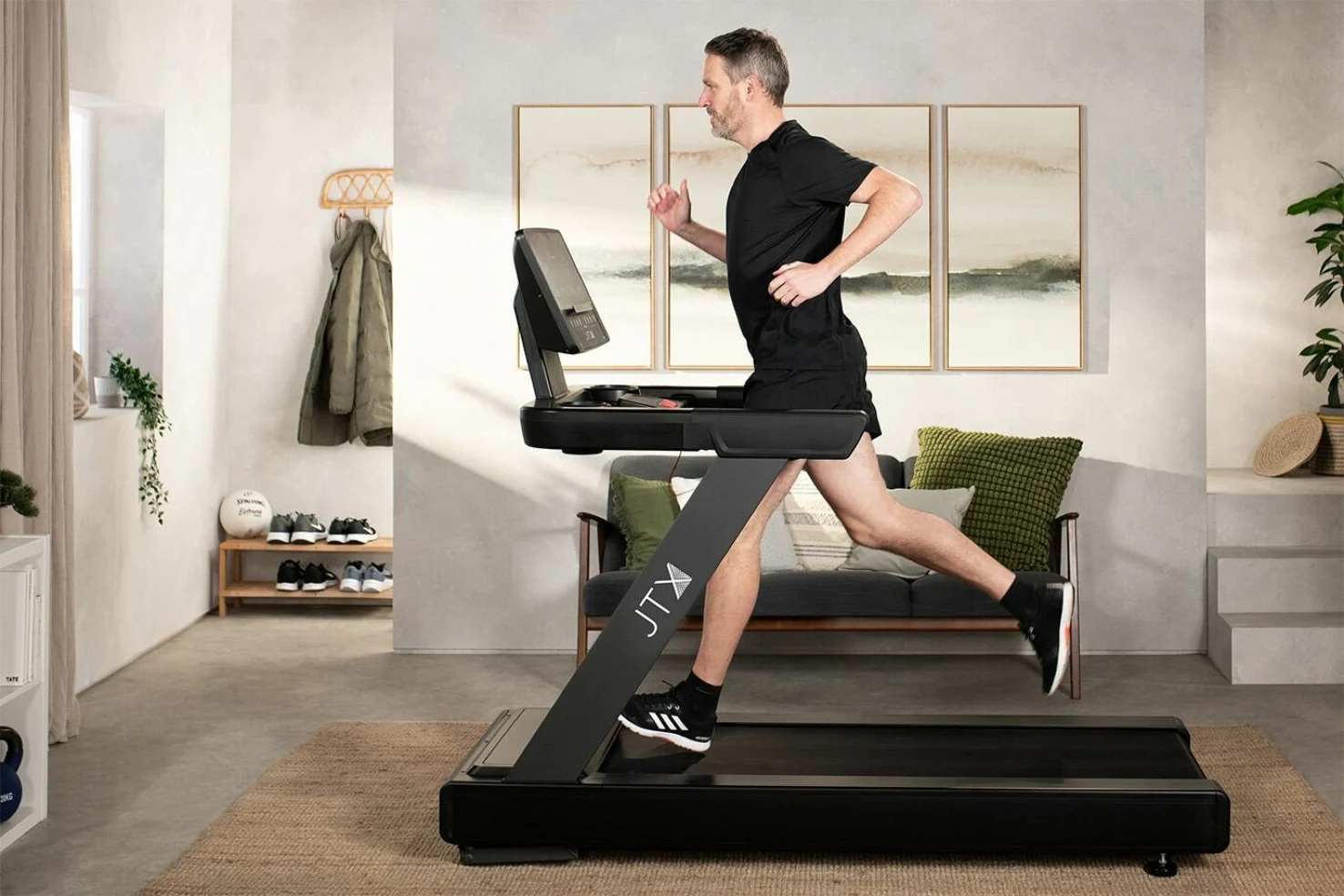
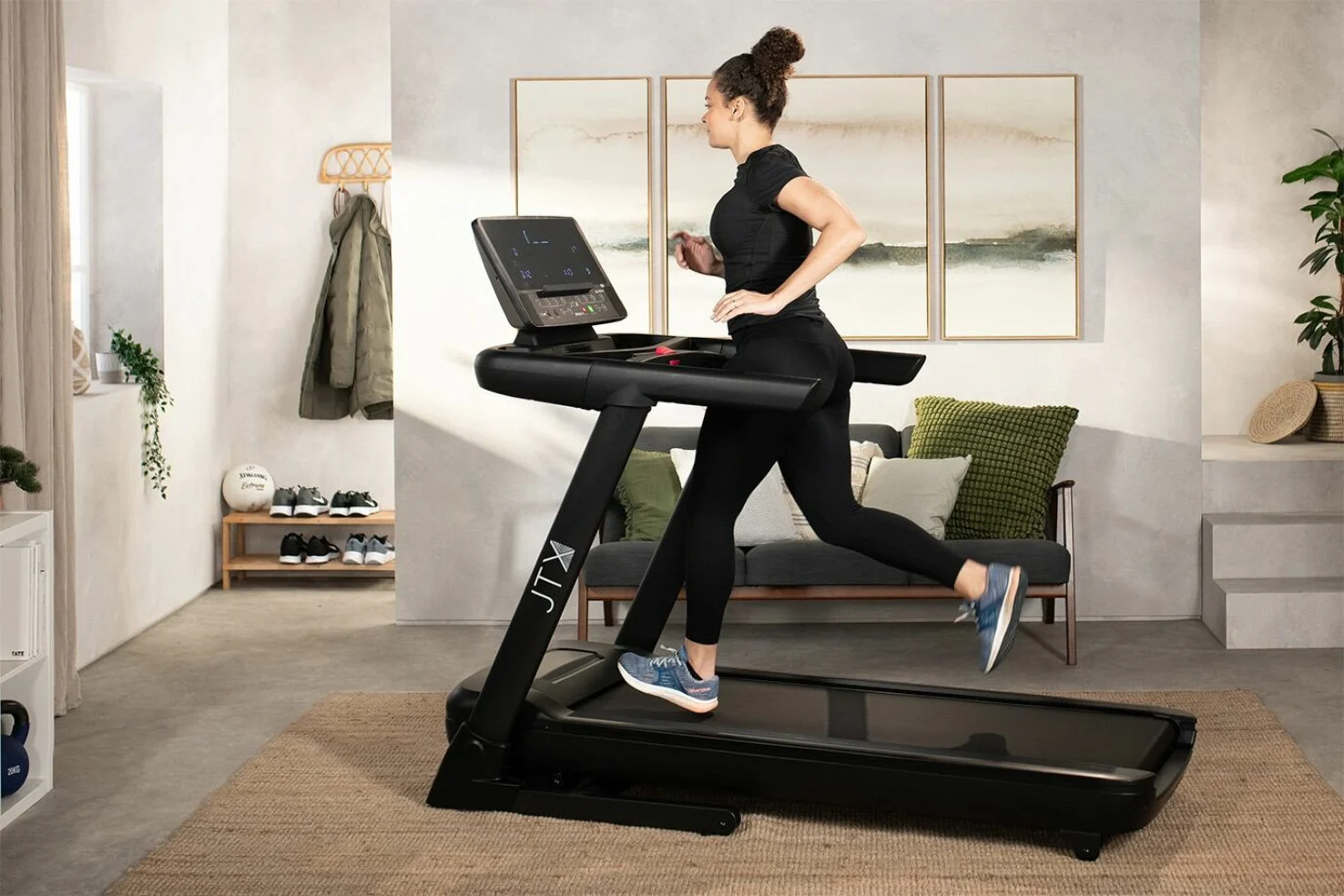
A decline treadmill tilts the running deck downward, typically between -1% and -6%, to simulate running or walking downhill. Instead of the front of the belt sitting higher than the back (incline), the front drops lower. Your body position shifts, the muscles doing the heavy lifting change, and the demands on your joints change too.
Most standard home treadmills only offer incline. Decline is usually found on mid-range to premium machines, with the NordicTrack Commercial range and a handful of other brands offering it as standard.
Benefits of Decline Treadmill Training
Decline training does several things that flat and incline running cannot replicate:
It targets your quads and knees differently. Running downhill shifts the workload onto your quadriceps and places greater eccentric load on your leg muscles. Eccentric contraction is when a muscle lengthens under tension. That is exactly what happens to your quads as they control your descent on a downhill slope. This builds strength in a way that flat running does not. It is also why your legs burn after walking down a steep hill, even though it felt easy on your lungs at the time.
It prepares you for real terrain. If you are training for any race with elevation changes, you need to train your body for downhill running. That applies to hilly parkruns, trail races, and marathons with a net downhill profile. Flat treadmill training leaves a gap in your preparation. A decline treadmill fills it. Running downhill without training for it is one of the fastest ways to wreck your quads on race day.
It improves running economy. Research suggests that combining incline and decline training can improve your overall running efficiency. Decline running teaches your body to absorb impact more effectively and use the elastic energy in your tendons and muscles. That translates to better form and less wasted energy on varied terrain.
It is easier on your cardiovascular system. Decline walking and running at moderate gradients requires less effort from your heart and lungs compared to the same speed on a flat or inclined surface. This makes it useful for active recovery sessions where you want to keep moving without pushing your cardiovascular system. It is also handy for building leg strength while keeping your heart rate in a lower zone.
It increases calorie variation in your training. While decline burns slightly fewer calories per minute than incline at the same speed, mixing decline intervals into your sessions adds variety. That variety keeps your body adapting. Combining steep incline efforts with decline recovery intervals is a brutally effective workout format. Flat-only treadmills simply cannot offer it.
Is Decline Safe?
Decline treadmill training is safe for most people, but it does place additional stress on your knees and ankles compared to flat running. The steeper the decline, the greater the impact forces. If you have existing knee issues, start with a shallow gradient of -1% to -2%. Increase gradually as your joints adapt.
Walking at a decline is also a perfectly valid way to build the eccentric quad strength without the impact forces of running.
Most decline treadmills cap at -3% to -6%, which is a sensible range for home training. You get the benefits of downhill work without the extreme gradients that would increase injury risk.
Best Decline Treadmill for Home Use
The best decline treadmill available in the UK right now is the NordicTrack Commercial 2450. It offers a -3% to 12% incline and decline range, a 4.25 CHP motor, and a 152 x 55 cm running surface.
That gives you plenty of room at pace. When paired with iFIT, the 2450 automatically adjusts the decline and incline to match the terrain of virtual outdoor routes. You get genuine hill simulation without touching a button.
The NordicTrack Commercial 1750 also offers the same -3% to 12% range at a lower price point. It is a solid alternative if you do not need the larger screen and wider deck.
Read our full NordicTrack Commercial 2450 review for a detailed breakdown of specs, performance, and UK pricing.