So you’ve decided to give Couch to 5K a go, but there’s a problem. Maybe the weather outside is miserable, the dark evenings make outdoor running feel unsafe, you don’t feel ready to hit the tarmac yet, or you simply prefer the comfort of your own home.
Whatever the reason, you’re wondering whether you can follow the programme on a treadmill instead of pounding the pavements.
The short answer is yes, absolutely. Couch to 5K works brilliantly on a treadmill, and for some beginners, it’s actually the better option. Thousands of people have completed the programme entirely indoors and gone on to become confident runners.
This guide covers everything you need to know about doing Couch to 5K on a treadmill, including what speeds to use, how to adapt the programme, and why the treadmill might suit you better than you’d expect.
Yes, You Can Absolutely Do Couch to 5K on a Treadmill
The NHS Couch to 5K programme is designed to take complete beginners from zero running to completing 5 kilometres (or running for 30 minutes) over nine weeks. The programme uses a mix of walking and running intervals that gradually increase in difficulty, and there’s nothing about that structure that requires you to be outdoors.
A treadmill provides everything you need: a consistent running surface, adjustable speeds, and the ability to walk and run in controlled intervals.
In fact, many runners find treadmills ideal for Couch to 5K because they remove several variables that can make outdoor running intimidating for beginners.
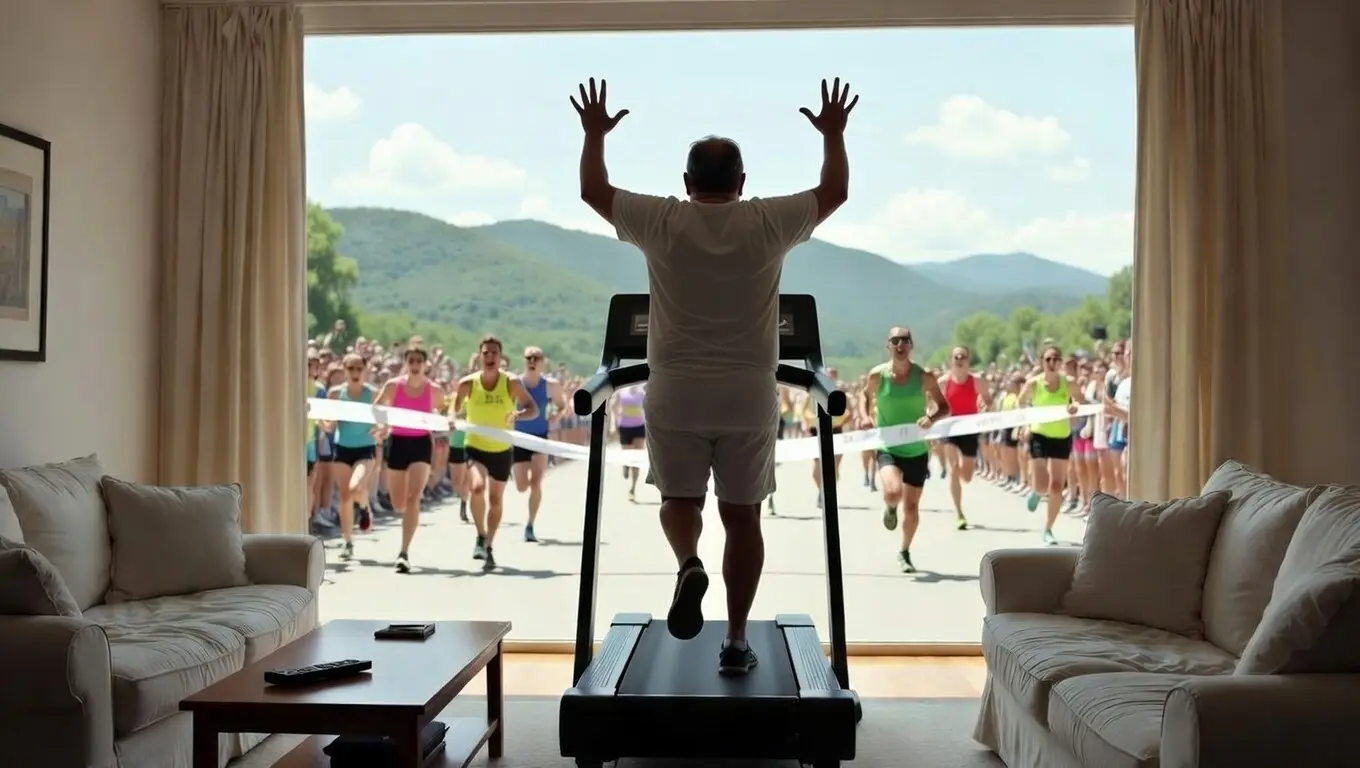
The programme, and your body, doesn’t care whether you’re running through a park or running while staring at the TV. What matters is that you’re putting in the time, building your fitness, and progressing through the weeks.
And the best part is, you’ll have extra motivation and confidence in the warmer months to head into nature and fully appreciate a 5k run.
Why a Treadmill Might Actually Be Better for Beginners
Outdoor running purists might scoff, but treadmills offer genuine advantages for people just starting out.
Controlled pacing: One of the biggest mistakes new runners make is going out too fast, burning out, and convincing themselves they’re not cut out for running. A treadmill forces you to stick to a set pace. You dial in your speed and the belt keeps you honest. No accidentally sprinting because you’re feeling good in the first minute, then crawling by minute five.
Consistent surface: No potholes, no uneven pavements, no dodging pedestrians or dogs on extendable leads. The treadmill belt is predictable, which lets you focus entirely on your running rather than watching where you’re putting your feet.
Weather independence: British weather is famously uncooperative. A treadmill means you never have to skip a session because it’s pouring down, blowing a gale, or icy underfoot. Consistency is everything in Couch to 5K, and a treadmill removes the most common excuse for missing runs.
Privacy: Lots of beginners feel self-conscious running in public. The fear of being seen struggling, red-faced and out of breath, stops many people from even starting. A treadmill in your home lets you get through those awkward early weeks without an audience.
Easy interval tracking: The programme relies heavily on timed intervals of walking and running. On a treadmill, switching between the two is as simple as pressing a button. No fumbling with your phone or trying to remember whether you’ve been running for 60 seconds or 90.
What Speeds Should You Use for Couch to 5K on a Treadmill?
This is the question everyone asks, and the honest answer is: it depends on you. There’s no universal “correct” speed because fitness levels vary enormously, even among complete beginners.
That said, here are some sensible starting points that work for most people.
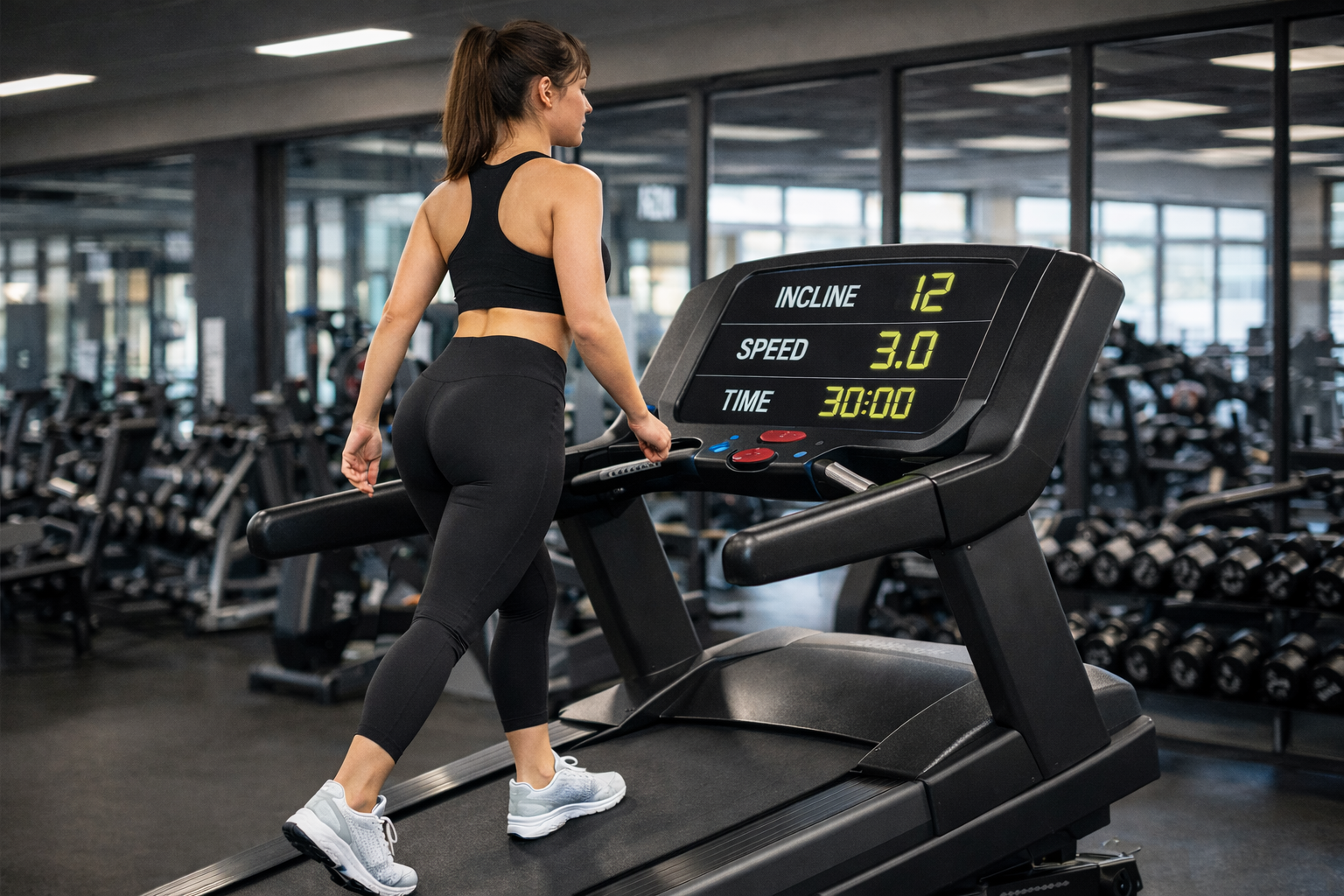
Walking pace: Around 3 to 3.7 mph. This should feel like a brisk, purposeful walk. You’re not dawdling, but you’re not power-walking either. You should be able to hold a conversation comfortably.
Jogging pace: A steady 4.3 to 5.6 mph. For complete beginners, the lower end of this range is perfectly fine. The goal in early weeks is to run at a pace you can sustain for the required intervals without feeling like you’re about to collapse. If 4.3 mph feels hard, that’s your starting point. There’s no shame in it.
As you progress through the programme, you can gradually increase your jogging speed. By the later weeks, many people find themselves comfortable at 5 to 6.2 mph, but this isn’t a requirement. Finishing the programme at a slower pace is still finishing the programme.
A useful rule of thumb from runners who’ve completed Couch to 5K on treadmills: if you can’t complete the running intervals, you’re probably going too fast. Slow down before you give up.
How to Do Couch to 5K on a Treadmill: Week by Week
The structure of Couch to 5K remains identical whether you’re indoors or out. You’ll complete three runs per week, with rest days in between.
Here’s how the nine weeks break down, adapted for treadmill use.
Weeks 1 to 3: Building the Foundation
These early weeks alternate between short bursts of running and walking recoveries. Week 1 typically involves 60 seconds of running followed by 90 seconds of walking, repeated for about 20 minutes.
On a treadmill, set your walking speed first, then practise bumping it up to your jogging speed quickly. Most treadmills have quick-access buttons that let you jump between preset speeds, which makes the transitions much smoother.
Weeks 4 to 6: Extending the Runs
The running intervals get longer and the walking breaks get shorter. By week 5, you’ll face the famous “20-minute run” that terrifies everyone but proves to most people that they’re more capable than they thought.
On a treadmill, this is where the controlled environment really helps. You can’t accidentally slow down without noticing, and you can’t cut the run short by taking a sneaky shortcut home. The belt keeps moving and so do you.
Weeks 7 to 9: Running Continuously
The final weeks phase out walking entirely. You’ll run for 25 minutes, then 28 minutes, and finally 30 minutes without stopping.
By this point, the treadmill will feel familiar and you’ll have found your comfortable cruising speed. Many people find these weeks mentally easier on a treadmill because they can watch the timer count down rather than guessing how much further they have to go.
Treadmill-Specific Tips for Couch to 5K Success
A few adjustments will make your treadmill Couch to 5K experience smoother and more effective.
Set a slight incline: Running on a flat treadmill is easier than running outdoors because there’s no wind resistance and the belt assists your leg turnover. Setting a 1% incline roughly compensates for this difference and better prepares you for outdoor running if you decide to transition later. This small adjustment helps replicate outdoor running conditions without making the workout significantly harder.
Use a fan or open a window: Treadmill running generates heat with nowhere to go. Without the natural airflow you’d get running outside, you’ll overheat faster. A fan pointed at you makes a noticeable difference to comfort and performance.
Cover the display if pace obsession strikes: Some people find themselves constantly watching the speed, distance, or time, which can make runs feel longer. Draping a towel over the display and using audio cues from the Couch to 5K app instead can help the time pass more quickly.
Wear proper running shoes: Just because you’re indoors doesn’t mean footwear doesn’t matter. Running shoes provide cushioning and support that regular trainers don’t. Your joints will thank you.
Have water within reach: Unlike outdoor running where you’d typically wait until afterwards, treadmill sessions make it easy to grab a sip of water during walking intervals. Stay hydrated.
Create a distraction: Treadmill running can feel monotonous. Music, podcasts, audiobooks, or Netflix on a tablet can make the time fly. Many people complete entire seasons of shows during their Couch to 5K journey.
Common Treadmill Couch to 5K Mistakes to Avoid
A few pitfalls catch people out when doing the programme on a treadmill.
Holding the handrails: It’s tempting to grip the rails, especially when you’re tired, but it throws off your natural running form and reduces the workout’s effectiveness. If you need the rails to keep up with the belt, you’re running too fast. Slow down instead.
Starting too fast: Enthusiasm is great, but setting an ambitious pace in week one is a recipe for burnout or injury. Start slower than you think you need to. You can always speed up as you get fitter.
Skipping the warm-up walk: Every Couch to 5K session starts with a five-minute brisk walk. On a treadmill, it’s tempting to skip this and jump straight into running. Don’t. The warm-up prepares your muscles and cardiovascular system for the work ahead.
Running every day: The programme schedules three runs per week with rest days between. Some eager beginners try to speed up progress by running daily. This usually leads to fatigue, injury, or both. Trust the programme and take your rest days.
Will Treadmill Training Prepare You for Outdoor Running?
If your goal is eventually to run a parkrun, enter a local 5K, or simply enjoy running outdoors, you might wonder whether treadmill training will translate.
The good news is that the cardiovascular fitness you build on a treadmill absolutely carries over. Your heart and lungs don’t know whether you’re indoors or out. The aerobic base you develop will serve you well regardless of where you run.
There are some differences to be aware of, though. Outdoor running requires more stabilisation because the terrain varies. You’ll use slightly different muscles, and factors like wind, hills, and uneven surfaces add challenge that a treadmill can’t replicate.
Most people who complete Couch to 5K on a treadmill find that their first few outdoor runs feel harder than expected. This is normal and passes quickly. Within a few sessions, your body adapts and the outdoor running becomes comfortable too.
If you plan to transition outdoors, consider doing your final week or two of the programme outside to ease the adjustment. Alternatively, complete the full nine weeks on the treadmill and then spend a couple of weeks getting used to outdoor running afterwards. Either approach works.
Frequently Asked Questions
Is Couch to 5K harder on a treadmill or outdoors?
Neither is objectively harder, but they present different challenges. Treadmill running can feel mentally tougher because the scenery doesn’t change, but it’s physically slightly easier due to the consistent surface and lack of wind resistance. Most beginners find the treadmill more manageable overall.
What if I can’t run at the suggested speeds?
Run slower. There’s no minimum speed requirement for Couch to 5K. If 4 mph is your jogging pace, that’s absolutely fine. The programme is about building the habit and endurance to run continuously, not about hitting particular speeds.
Can I do Couch to 5K on a walking pad?
Most walking pads are not suitable because they lack the speed range, belt length, and motor power required for running. If your walking pad explicitly supports jogging speeds of at least 6 mph and has a belt length of 120 cm or more, it may work. Otherwise, a proper treadmill is a better choice for Couch to 5K.
How do I know if I’m running too fast?
If you can’t complete the running intervals, you’re going too fast. You should be able to speak in short sentences while jogging, even if you’re a bit breathless. If you can only gasp single words, slow down.
Do I need to use the official NHS Couch to 5K app?
The NHS app is excellent and free, with audio coaching that tells you when to walk and run. However, any Couch to 5K app or even a simple interval timer will work. The programme structure is widely available and you can follow it with whatever tools suit you.
What happens after I finish Couch to 5K?
Many people continue with programmes like “Bridge to 10K” or simply maintain their fitness with regular 5K runs. Others set goals like improving their pace or signing up for events. The important thing is that you’ve built a running habit that you can continue however you choose.
The Bottom Line
Couch to 5K works perfectly well on a treadmill. For many beginners, the controlled environment, consistent pacing, and weather-proof convenience make treadmill training the smarter choice. You’ll build the same cardiovascular fitness, develop the same running endurance, and finish the programme just as successfully as someone running outdoors.
Start with a walking speed of around 3 to 4 mph and a jogging speed of 4.5 to 5.5 mph, adjusting based on how your body responds. Set a 1% incline to better simulate outdoor conditions, and focus on completing each session rather than chasing fast paces.
Nine weeks from now, you’ll be running for 30 minutes straight. Whether that happens on a treadmill belt or a tree-lined path doesn’t really matter. What matters is that you started, you stuck with it, and you became a runner.
-
Runner and home fitness enthusiast reviewing treadmills and walking pads for everyday use.